

Medium Combustion Plant Permit UK (MCP) – Applications & Testing
Build your quote in seconds — our team responds within 1 working hour.
Step 2: Added everything you need? Review your basket and send your request.
A Medium Combustion Plant (MCP) permit is required for any combustion appliance with a thermal input between 1 and 50 MW under the Medium Combustion Plant Directive (2015/2193/EU), transposed into UK law via the Environmental Permitting Regulations 2016. Alkali drafts MCP and Specified Generator permits, books the required MCERTS emissions testing and submits everything direct to the Environment Agency.
Read more about usShow
Medium Combustion Plant permit applications and MCPD compliance support for 1-50 MWth boilers, engines and generators including Specified Generator requirements. Alkali tracks current UK combustion guidance — including MCPD, the Specified Generator regime and EA H1 — and delivers permit drafting, MCERTS testing and EA submission for every plant it covers.
Permit compliance support built around your operation
Alkali helps operators understand permit conditions, testing requirements, reporting duties and compliance evidence with clear scopes, fixed-fee proposals, fast online quoting and regulator-ready outputs.
- Environment Agency permit support
- UKAS / MCERTS technical capability where relevant
- Online quote requests
- Fixed-fee scopes
- Senior consultant scoping of permit and testing requirements
- Automated reporting workflows
- Direct senior technical support
- Former Environment Agency experience where relevant
- Published accreditations and trust signals
- Applies to
- Combustion plant 1–50 MWth — boilers, engines, gensets, CHP
- Regulation
- MCPD (2015/2193/EU) via EPR 2016; Specified Generator regime
- Includes
- Permit drafting, ELV check, MCERTS emissions testing, EA submission
- Testing standards
- EN 13284-1, EN 14792, EN 14791, EN 15058 (MCERTS)
- Determination
- EA target 3 months from duly-made application
- Coverage
- Nationwide UK
Compliance Confidence Included
Pre-submission review, regulator-ready documentation, and 14 days of post-submission query support are included as standard — to reduce refusal risk and enforcement delays.
Medium Combustion Plant Permit Applications and MCPD Compliance for 1-50 MWth Plant
A medium combustion plant permit is required for any combustion unit with rated thermal input between 1 and 50 MWth under the Medium Combustion Plant Directive (MCPD), implemented in England via the Environmental Permitting Regulations. We prepare and submit MCP permit applications to the Environment Agency, including aggregation assessments, ELV demonstration, monitoring proposals and any Specified Generator additional controls. Existing plant deadlines have largely passed (1 January 2024 for 5-50 MWth, 1 January 2029 for less than 5 MWth) so the focus now is new plant, replacements, Tranche A/B Specified Generators and compliance variations.
Scope and Aggregation
- Boilers, engines, gas turbines and generators between 1 and 50 MWth net rated thermal input
- Aggregation rules where multiple units discharge via a common stack or could technically do so
- Specified Generator classification (Tranche A vs Tranche B, capacity market, less than 50 hrs/yr derogations)
- Standalone permit vs variation of an existing EPR Part A or Part B permit
Emission Limit Values and Monitoring
ELVs vary by fuel type, plant size and whether the unit is new or existing. New gas-fired plant must meet NOx 100 mg/Nm3 (boilers) or 95 mg/Nm3 (engines, gas), with diesel engines and dual-fuel units subject to tighter NOx, SO2 and dust limits. Monitoring requirements scale with plant size: periodic MCERTS testing every three years for less than 20 MWth, annual for 20-50 MWth, plus continuous monitoring where required by the permit. Specified Generators in NOx-sensitive areas may face site-specific tighter limits.
Application Content
- Plant inventory, fuel data, operating regime and aggregation assessment
- ELV compliance demonstration with manufacturer data and any required derogations
- Monitoring plan aligned to MCERTS and the appropriate frequency band
- H1 stack height assessment where new or modified discharge points are proposed
- Management system summary covering maintenance, fuel records and emissions reporting
Ongoing Compliance
Once permitted, operators must keep fuel and operating-hour records, undertake MCERTS periodic testing at the required frequency, report results to the EA, and notify the regulator of any breach or significant change. We provide MCERTS testing under separate scope and can manage the annual EA reporting cycle as part of an ongoing compliance arrangement.
Who Needs MCP Permit Support
- Operators of combustion plant between 1 MWth and 50 MWth (single or aggregated)
- Boiler houses, process heat plant and steam-raising plant
- Standby and prime-power generators, including diesel and dual-fuel sets
- CHP engines, gas turbines and combined heat and power schemes
- Manufacturing, food and drink and pharmaceutical sites
- Hospitals, universities and other public-sector estates with onsite generation
- Data centres and commercial estates with resilience generation
- Specified Generators participating in capacity or balancing markets
Typical MCP Compliance Questions We Answer
- Does this boiler, engine or generator need an MCP permit?
- Which Emission Limit Values apply to my fuel, plant type and age?
- What monitoring evidence is needed — periodic MCERTS, CEMS or both?
- When is stack emissions testing required and at what frequency?
- How are multiple units on one site aggregated under MCPD rules?
- What information do you need to scope and quote the permit work?
- Can existing EPR permits be varied rather than re-applied for?
MCP permit cost drivers
Medium Combustion Plant permit cost varies by site rather than following a fixed price. The main drivers are the number of combustion units involved, whether the application is a new permit or a variation of an existing EPR permit, whether air dispersion modelling or an H1 stack height assessment is required, whether MCERTS stack emissions testing is needed to demonstrate compliance, fuel type and operating profile, site complexity (urban / receptor-sensitive vs rural), regulatory deadline pressure, and any Specified Generator additional controls. We confirm a fixed-fee scope for the permitting workstream within one working day of receiving the site information.
- Number of combustion units and aggregation complexity
- Whether the application is a new permit or a variation
- Dispersion modelling or H1 stack height assessment requirements
- Whether MCERTS stack emissions testing is required to demonstrate compliance
- Fuel type, operating hours and Specified Generator status
- Site complexity, sensitive receptors and AQMA context
- Deadline pressure (standard vs accelerated turnaround)
1 MW boilers, generators and standby plant
Operators frequently ask whether a 1 MW boiler, a standby generator or a CHP engine needs a Medium Combustion Plant permit. Applicability depends on the net rated thermal input of each unit, how units aggregate where they share or could share a stack, the operating profile (continuous, peaking, or genuine emergency-only), the fuel type, and any Specified Generator obligations. Boilers, generators and CHP engines at or above 1 MWth and below 50 MWth typically fall within MCPD scope, but exemptions and derogations apply — for example, genuine emergency standby units running for limited hours per year. Operators should confirm applicability for each unit based on plant rating, aggregation, operating profile and the regulatory context before assuming a unit is or is not in scope. Alkali confirms applicability in writing as part of the scoping step before any permit fee is committed.
Emissions monitoring and stack testing for MCP compliance
Most Medium Combustion Plant permits require periodic emissions monitoring to demonstrate ongoing compliance with the permitted Emission Limit Values. Monitoring is delivered through MCERTS stack emissions testing (typically every three years for plant below 20 MWth and annually for 20-50 MWth), and the results feed into routine Environment Agency reporting. Operators with continuous monitoring obligations also draw on QAL2 and AST CEMS calibration to EN 14181. Alkali delivers MCP permit applications and the supporting MCERTS monitoring under one accredited framework.
What we need to quote MCP permit support
- Plant schedule (boilers, engines, generators, CHP)
- Net rated thermal input for each unit and aggregation context
- Fuel type(s) and any dual-fuel or back-up arrangements
- Operating hours and profile (continuous, peaking, emergency standby)
- Site location, layout and stack details
- Existing environmental permit, Specified Generator registration or correspondence
- Any Environment Agency correspondence or deadline
- Sensitive receptors, AQMA designation or planning context
Related MCP compliance services
MCP permit applications are typically delivered with an H1 stack height assessment, air dispersion modelling where required, and CEMS hire for parallel monitoring during commissioning. Ongoing duties are covered by Environment Agency reporting, broader environmental permit application support and permit-driven evidence through our MCERTS stack emissions testing for MCP. To scope your application, request a fixed-fee quote or discuss your permit requirements with a senior consultant.
Frequently Asked Questions
What thermal input triggers an MCP permit?
Net rated thermal input of 1 MWth or more and less than 50 MWth, on a single unit basis, with aggregation rules applied where units share or could share a stack.
How are aggregation rules applied to multiple boilers?
Units that discharge through a common stack, or that could technically be combined to do so, are aggregated. If the aggregated thermal input crosses a threshold, the higher-tier ELVs and monitoring frequency apply to each unit.
Do standby generators need an MCP permit?
Generators above 1 MWth running for more than 50 hours per year on average over five years require a permit. Genuine emergency-only units operating below this threshold are out of scope but records must support the derogation.
What is a Specified Generator and how does it differ from MCP?
Specified Generators are units of 1 MWth or more providing balancing or capacity market services. They have additional NOx controls (Tranche A by 1 Jan 2025, Tranche B by 1 Jan 2030) on top of base MCPD requirements, and tighter site-specific limits in NOx-sensitive areas.
How often is emissions testing required after permitting?
Every three years for plant less than 20 MWth and annually for 20-50 MWth. Tests must be performed by a competent organisation against the plant's permitted ELVs using the methods set out in the EA's M-series guidance.
Can the application be combined with an existing EPR permit?
Yes. For sites already holding an EPR Part A(1), A(2) or B permit, the MCP unit is normally added by variation rather than a standalone bespoke application, which reduces fee and timeline.
What information is needed for an MCP permit application?
Plant inventory and fuel data, manufacturer NOx/CO/dust performance, operating regime and hours, aggregation details for any units sharing a stack, site layout and receptor context, and the proposed monitoring plan. We provide a scoping template so you can supply it in one pass.
What is a Medium Combustion Plant permit?
A Medium Combustion Plant permit is the environmental authorisation required for combustion plant with net rated thermal input between 1 and 50 MWth under the Medium Combustion Plant Directive, implemented in England and Wales via the Environmental Permitting Regulations 2016. It sets Emission Limit Values, monitoring obligations and reporting requirements for boilers, generators and engines.
Does a 1 MW boiler need a permit?
A boiler at or above 1 MWth net rated thermal input usually falls within MCPD scope, but applicability depends on aggregation with other units sharing a stack, operating profile and any exemptions. Operators should confirm applicability for each unit before assuming it is in or out of scope. Alkali confirms applicability in writing as part of scoping.
Do standby generators need MCPD registration?
Generators at or above 1 MWth running for more than the threshold operating hours typically require an MCP permit or, where applicable, Specified Generator registration. Genuine emergency-only standby plant operating below the threshold may benefit from a derogation, but documented operating-hour records must support that position.
What affects MCP permit cost?
Cost varies by number of units, whether the application is a new permit or a variation, whether dispersion modelling or an H1 stack height assessment is required, fuel type, operating profile, site complexity and deadline pressure. Alkali confirms a fixed-fee scope within one working day of receiving the site information.
Is stack emissions testing required for MCP compliance?
Yes. Most MCP permits require periodic MCERTS stack emissions testing to demonstrate compliance with the permitted Emission Limit Values — typically every three years for plant below 20 MWth and annually for 20-50 MWth. Results feed into routine Environment Agency reporting under the permit conditions.
What information is needed for an MCP permit quote?
Plant schedule, net rated thermal input for each unit, fuel type, operating hours and profile, site location, stack details, any existing permit or Specified Generator registration, regulator correspondence and the deadline. Alkali provides a scoping template so the information can be supplied in one pass.
Can Alkali help with both the MCP permit and emissions testing?
Yes. Alkali drafts and submits the permit, coordinates H1 stack height work where needed and delivers the MCERTS periodic stack emissions testing once the plant is operational — managed as a single workstream under one fixed-fee scope.
Get environmental compliance quotes online
Skip the back-and-forth. Add the services you need, share your permit or scope, and Alkali responds with a clear, fixed-fee proposal — usually within one working day. Faster scoping, fewer emails, more accurate quotes.
- Fixed-fee proposal
- Specialist scope review
- Response within one working day
Step 2: Added everything you need? Review your basket and send your request.
Online quoting reduces admin, avoids repeated emails, and helps operators get a faster, more accurate scope.
You May Also Need

BAT Assessments
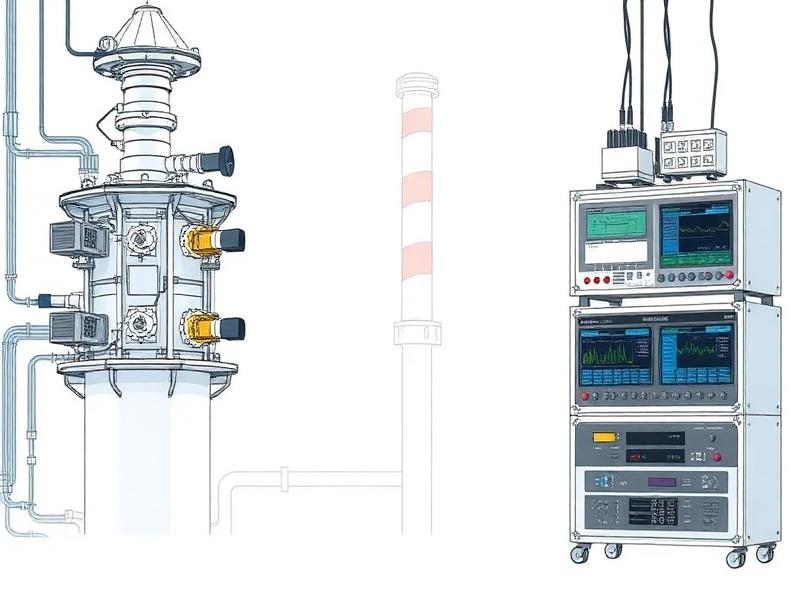
CEMS Hire UK – Continuous Emissions Monitoring

Environmental Permits UK – EA Applications & Support
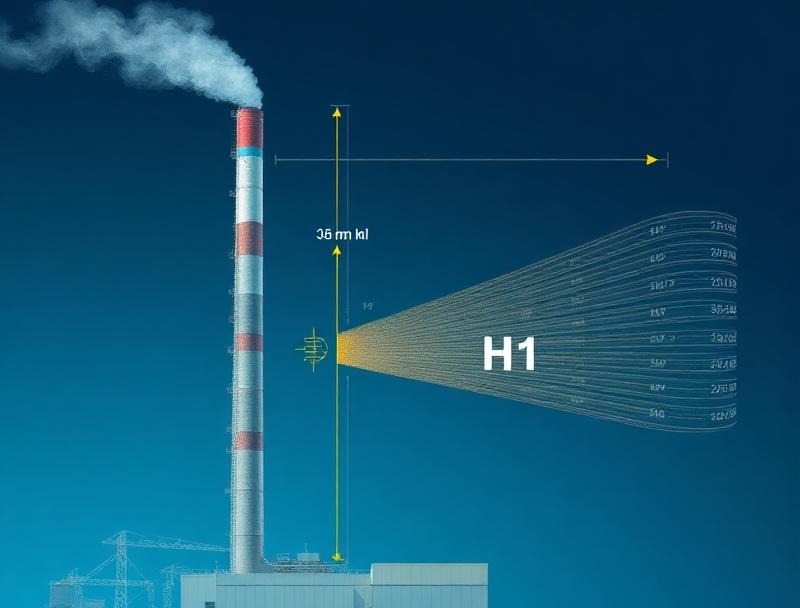
H1 Stack Height Assessment UK (EA D1 Screening)
Services that often include Medium Combustion Plant Permit UK (MCP) – Applications & Testing:
Need a Quote for Medium Combustion Plant Permit UK (MCP) – Applications & Testing?
Add this service to your quote and submit a request. We'll review your scope and get back to you within 24 hours.
Step 2: Added everything you need? Review your basket and send your request.