
Siloxane Monitoring
Build your quote in seconds — our team responds within 1 working hour.
Step 2: Added everything you need? Review your basket and send your request.
Read more about usShow
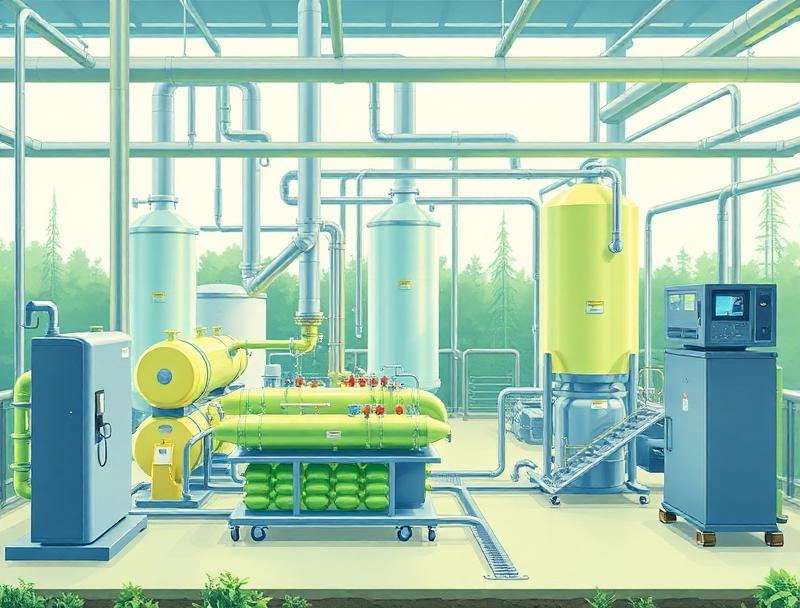
Siloxane Monitoring detects and quantifies harmful siloxanes in biogas to protect engines and optimise treatment performance.
MCERTS stack testing with faster quoting and clearer reporting
Alkali helps operators move from permit condition to completed MCERTS report with less friction: online quote requests, fixed-fee scopes, early-booking discounts, automated reporting workflows and direct access to senior technical staff.
- UKAS Laboratory No. 24303
- MCERTS stack emissions testing
- Online quote requests
- Fixed-fee scopes
- Early-booking discounts for selected services booked at least two months in advance
- Automated Environment Agency-ready reporting
- Direct senior technical support
- Published accreditations and trust signals
Compliance Confidence Included
Pre-submission review, regulator-ready documentation, and 14 days of post-submission query support are included as standard — to reduce refusal risk and enforcement delays.
Siloxane Monitoring for Biogas and Landfill Gas to Protect CHP Engines, Turbines and Upgrading Equipment (EN 16723)
Siloxane monitoring measures silicon-based volatile compounds commonly present in biogas and landfill gas. When combusted, siloxanes can form abrasive silica deposits that damage engines, turbines and downstream equipment, increasing maintenance costs, downtime and operational risk. A structured siloxane monitoring programme provides evidence of siloxane levels over time, supports selection and optimisation of gas cleaning systems, and helps protect asset performance where biomethane or biogas is used for energy generation or injection.
When Siloxane Monitoring Is Required
Siloxane monitoring is typically required where:
- You operate biogas CHP engines or turbines and want to reduce deposits, wear and downtime
- You upgrade biogas to biomethane and need improved impurity control and evidence
- You are designing or optimising gas cleaning (carbon, adsorption media, polishing systems)
- There are recurring engine maintenance issues linked to silicon deposits or filter loading
- You need trending data to manage fuel quality and maintenance planning
- You require evidence against fuel quality expectations for biomethane/biogas use
Purpose of Siloxane Monitoring
The purpose is to quantify siloxane concentrations so equipment protection and gas cleaning can be managed proactively. Monitoring supports decision-making on media replacement intervals, cleaning system performance, and operational controls that reduce cost and improve reliability.
How Siloxane Monitoring Works in Practice
Siloxane levels can vary with feedstock, process conditions and gas treatment. Monitoring programmes are designed around your objective: baseline characterisation, routine trending, investigation of performance issues, or verification of cleaning upgrades. Results are interpreted alongside gas composition, flow, operating regime and maintenance events to identify actionable changes.
Typical Monitoring Scope and Outputs
A typical siloxane monitoring scope includes:
- Sampling plan (sample points, timing, frequency, representative conditions)
- Sampling and analysis to quantify siloxanes and provide traceable results
- Trend interpretation (baseline vs after cleaning upgrades, seasonal or feedstock changes)
- Operational recommendations (gas cleaning optimisation, media change strategy, monitoring frequency)
- Clear reporting suitable for internal governance, suppliers and maintenance planning
What the Service Delivers
- Siloxane monitoring plan aligned to your equipment protection and fuel quality objectives
- Laboratory analysis results with clear interpretation and evidence structure
- Trend analysis and practical recommendations to reduce maintenance and downtime risk
- Guidance on monitoring frequency and gas cleaning optimisation actions
What We Need From You
We typically request:
- Site overview (AD, landfill, upgrading, CHP) and gas system description
- Gas cleaning configuration (media type, change frequency, known constraints)
- Sampling locations and access details (pre/post cleaning where applicable)
- Maintenance history (engine deposits, downtime, filter loading) if investigating issues
Sites and Industries We Support
- Anaerobic digestion plants (agricultural, food waste, sewage sludge)
- Landfill gas extraction and combustion sites
- Biogas CHP engines and gas turbines
- Biomethane upgrading and grid-injection facilities
- Wastewater treatment works with sludge digestion
- Waste treatment operators handling biogenic fuels
- Renewable energy operators managing engine warranty risk
Limitations and Scope
Siloxane monitoring reflects the sampling periods assessed. Where levels are variable, a repeat monitoring programme is recommended to build a reliable trend and optimise gas cleaning strategy.
Related Biogas and Stack Services
Siloxane monitoring is often combined with landfill gas monitoring, MCERTS stack emissions testing on biogas engines and CEMS hire for short-term performance monitoring. Compliance evidence is delivered through Environment Agency reporting. To scope a programme, discuss your permit requirements with a senior consultant.
Frequently Asked Questions
Why are siloxanes a problem in biogas and landfill gas?
When combusted, siloxanes can form abrasive silica deposits that damage engines and turbines and increase maintenance and downtime.
How often should siloxanes be monitored?
It depends on your objective and variability. Many sites start with baseline sampling, then move to routine trending to optimise gas cleaning and maintenance.
Can monitoring help optimise carbon or adsorption media change intervals?
Yes. Trend data supports evidence-led replacement planning, reducing both premature change-outs and damage risk.
Can siloxane monitoring be linked to broader gas quality management?
Yes. Siloxanes can be monitored alongside other gas quality and trace components depending on equipment and compliance needs.
Can Alkali support landfill gas and AD plant monitoring?
Yes. We support landfill gas and AD plant operators with siloxane sampling, biogas quality monitoring and engine-stack emissions testing as a joined-up programme.
Can monitoring be used to verify treatment-media performance?
Yes. Paired pre- and post-treatment sampling around carbon or polishing media is a reliable way to evidence performance, support warranty claims and refine media-change intervals.
Get a fixed-fee MCERTS stack testing quote online
Add the services you need, upload your permit conditions, and Alkali will review the scope and respond with a clear proposal — no phone tag, no email chains. A former Environment Agency officer reviews every brief for accuracy before pricing.
- Fixed-fee MCERTS scope
- Former EA officer review
- Response within one working day
Step 2: Added everything you need? Review your basket and send your request.
Online quoting reduces admin, avoids repeated emails, and helps operators get a faster, more accurate scope.
You May Also Need


Services that often include Siloxane Monitoring:
Need a Quote for Siloxane Monitoring?
Add this service to your quote and submit a request. We'll review your scope and get back to you within 24 hours.
Step 2: Added everything you need? Review your basket and send your request.