
Environmental Noise Monitoring — Air Quality, Odour, Dust & Noise by Alkali Environmental Consultants (UKAS Lab No. 24303, UK-wide)
    Environmental Noise Monitoring — Air Quality, Odour, Dust & Noise by Alkali Environmental Consultants (UKAS Lab No. 24303, UK-wide)

    Environmental Noise Monitoring

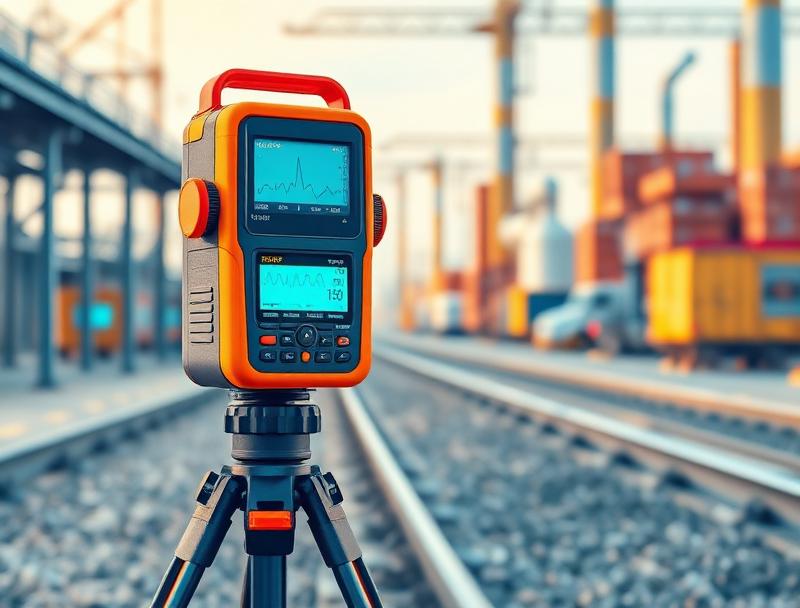
    Captures and analyses noise levels around a site to support compliance, complaint investigations, and environmental permitting.

    Call 0800 098 2610

    Build your quote in seconds — our team responds within 1 working hour.

    UKAS Accredited Stack Testing (Lab 24303)
    Regulator-Ready Reports
    14-Day Query Support
    Pre-Submission Review

    Compliance Confidence Included

    Pre-submission review, regulator-ready documentation, and 14 days of post-submission query support are included as standard — to reduce refusal risk and enforcement delays.

    Environmental Noise Monitoring UK for Baseline Surveys, Planning Evidence and Compliance Risk Management

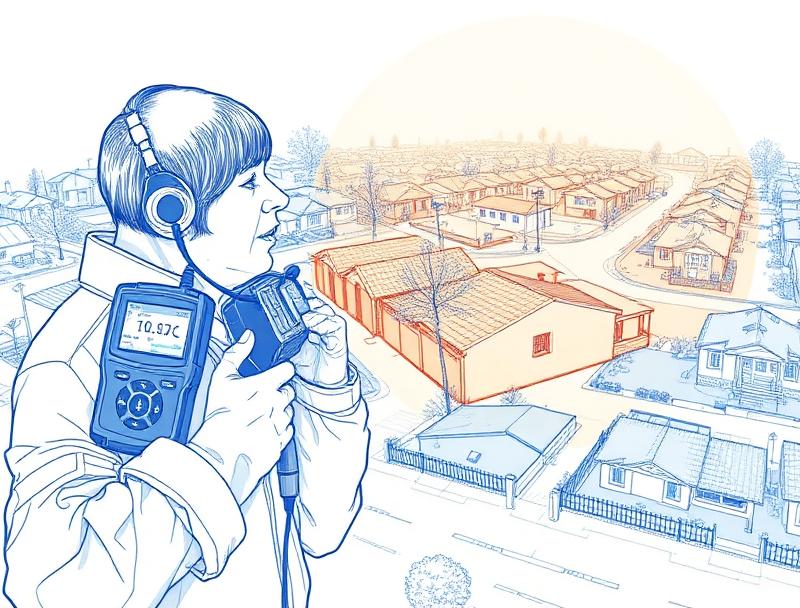
    Environmental noise monitoring provides measured evidence of sound levels at a site and surrounding receptors, supporting planning applications, compliance decisions and noise risk management. Monitoring is used to establish baseline conditions, investigate complaints, support Noise Impact Assessments, and demonstrate whether mitigation and operational controls are effective. A well-designed monitoring programme captures representative and worst-case conditions and reports results in a form planners, Environmental Health Officers and stakeholders can use.

    When Noise Monitoring Is Needed

    Noise monitoring is commonly required where:

    • A planning application introduces or is near sensitive receptors (residential, schools, hospitals)
    • Industrial or commercial operations may affect local amenity and require assessment
    • Construction activity requires noise evidence, controls and compliance reporting
    • There are noise complaints and objective evidence is needed
    • You need baseline data to support a Noise Impact Assessment (NIA) or mitigation design

    Purpose of the Service

    The purpose of noise monitoring is to produce objective, traceable evidence of acoustic conditions so decisions are based on measured data rather than assumptions. Monitoring supports defensible assessment against relevant standards and helps identify practical mitigation actions.

    How Noise Monitoring Is Used in Practice

    Noise impacts often depend on time of day, operational cycles, tonal or impulsive characteristics, weather and receptor location. Monitoring uses appropriate metrics (e.g., LAeq, LA90, LAFmax) and logging to capture patterns, identify dominant sources and support assessment against relevant standards and guidance.

    Monitoring Scope and Methods

    Typical monitoring elements include:

    • Attended surveys to characterise sources and capture contextual notes
    • Unattended noise logging to capture day/night trends and variability
    • Metric selection aligned to the assessment purpose (background, maximum, equivalent levels)
    • Calibration and QA to ensure traceability and defensibility
    • Reporting and interpretation linked to planning/compliance questions

    Standards, Guidance and Planning Context

    Noise monitoring is commonly used to support assessment under standards and guidance such as BS 4142 (industrial/commercial sound), BS 8233 (internal/external noise design), BS 5228 (construction noise and vibration), and ProPG for planning and noise for new residential development. Health-based interpretation is often informed by WHO guidance on environmental noise.

    What the Service Delivers

    • A monitoring plan defining locations, duration, metrics and rationale
    • Quality-controlled datasets and clear time-series interpretation
    • Identification of baseline conditions and dominant sources
    • Clear conclusions to support planning, compliance or mitigation decisions
    • A report suitable for submission, condition discharge or evidence packs

    Who This Is For

    • Developers and planning teams needing baseline noise evidence
    • Industrial and commercial operators managing noise risk
    • Construction projects requiring monitoring and reporting
    • Sites responding to complaints or enforcement risk

    Limitations and Scope

    Noise levels vary by time, weather and activity. Monitoring must be designed to capture representative and worst-case periods relevant to the decision. Where access is constrained, the monitoring strategy should be adjusted transparently.

    Related Noise and Air Services

    Long-term noise data feeds directly into a BS 4142 Noise Impact Assessment or a wider combined noise and vibration assessment, and is often co-deployed with ambient air quality monitoring on industrial boundaries. For NSIP and Town and Country Planning schemes, baseline noise data informs the EIA noise and vibration topic chapter. For sites with EA permit noise conditions, see our Environmental permits with noise conditions support.

    Frequently Asked Questions

    Do I need attended surveys or unattended logging?

    Often both. Attended surveys identify sources and context; logging captures variability and day/night trends.

    What noise metrics do you use?

    Metrics depend on purpose, commonly including LAeq (overall level), LA90 (background), and LAFmax (maximum events).

    Can monitoring support a planning condition discharge?

    Yes, where conditions require evidence that noise limits are met or that mitigation has been implemented effectively.

    Can you investigate complaints?

    Yes. Monitoring can be designed around complaint patterns and include correlation with operations and conditions.

    Get environmental compliance quotes online

    Skip the back-and-forth. Add the services you need, share your permit or scope, and Alkali responds with a clear, fixed-fee proposal — usually within one working day. Faster scoping, fewer emails, more accurate quotes.

    • Fixed-fee proposal
    • Specialist scope review
    • Response within one working day

    Online quoting reduces admin, avoids repeated emails, and helps operators get a faster, more accurate scope.

    Case Studies

    Environmental Noise Monitoring in action

    See how UK clients have used our environmental noise monitoring expertise to satisfy regulators, planning authorities, and operational deadlines.

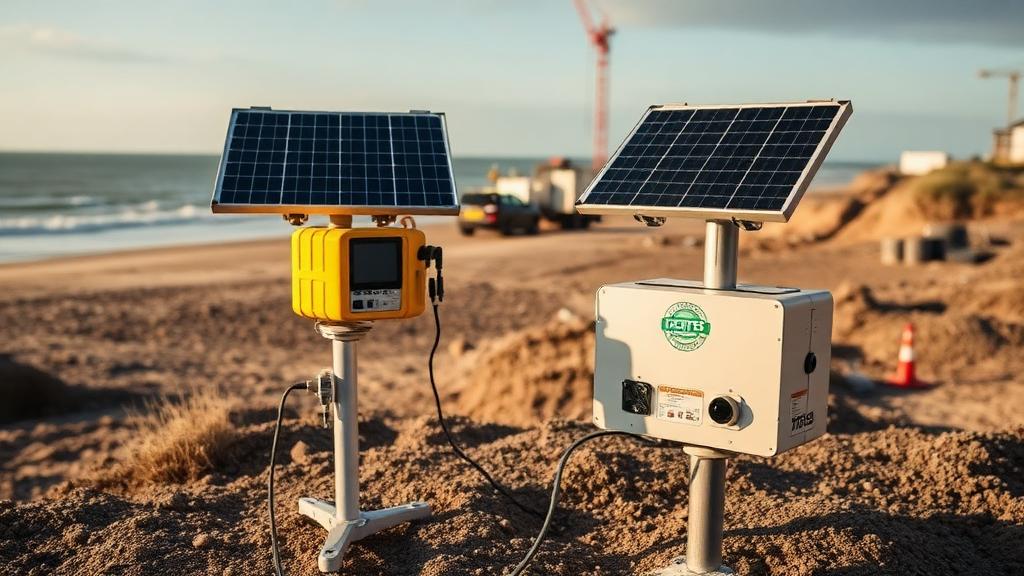
    Real-Time Dust and Noise Monitoring at Lynemouth Beach
    Landfill / ConstructionLynemouth Beach, Northumberland

    Real-Time Dust and Noise Monitoring at Lynemouth Beach

    Problem
    During construction activity at a landfill site near Lynemouth Beach, air quality and noise impacts were a key concern. Planning conditions required real-time monitoring to protect nearby sensitive receptors, including residents and site operatives, from the effects of dust and noise exposure.
    Approach
    Air quality monitoring was undertaken at three locations using MCERTS Indicative certified monitors, positioned both upwind and downwind of construction activities.
    Outcome
    Continuous monitoring met all planning condition requirements.
    Read case study

    Need a Quote for Environmental Noise Monitoring?

    Add this service to your quote and submit a request. We'll review your scope and get back to you within 24 hours.