
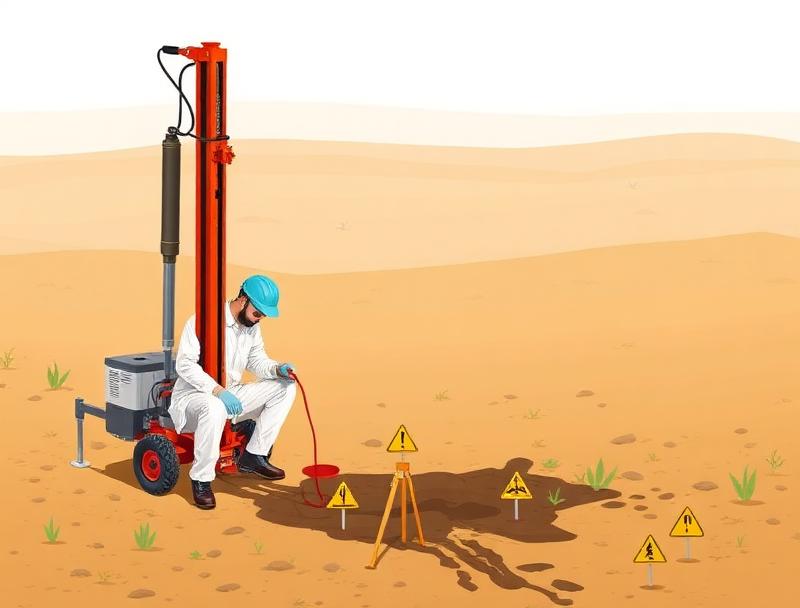
Contaminated Land Assessment
Build your quote in seconds — our team responds within 1 working hour.
Step 2: Added everything you need? Review your basket and send your request.
Read more about usShow
Contaminated Land Assessment identifies and assesses pollution risks in soil or groundwater to support safe, compliant site development.
Compliance Confidence Included
Pre-submission review, regulator-ready documentation, and 14 days of post-submission query support are included as standard — to reduce refusal risk and enforcement delays.
Contaminated Land Risk Assessment UK for Planning, Development and Due Diligence (LCRM/CLR11 Aligned)
A Contaminated Land Assessment identifies whether land contamination could create unacceptable risk to people, property, controlled waters or the environment, and sets out what evidence and remediation is required to make the site suitable for use. For planning, contaminated land assessments commonly follow a phased approach: Phase 1 Desk Study and, where required, Phase 2 Intrusive Investigation. A robust assessment supports planning approval, reduces delay in condition discharge and prevents unexpected remediation cost later in the project.
When a Contaminated Land Assessment Is Required
A contaminated land assessment is typically required where:
- Planning conditions require contaminated land assessment and verification
- Historic land uses indicate potential contamination (industrial, fuel, rail, made ground, infilled sites)
- Ground gas may affect buildings (landfill, infill, peat, former industrial uses)
- You are buying/selling land and need defensible due diligence evidence
- Drainage or groundwater constraints mean controlled waters risk is a key issue
- Regulators or stakeholders require LCRM/CLR11-aligned evidence and clear risk conclusions
Purpose of the Assessment
The purpose is to provide a defensible risk conclusion and a practical pathway to suitability for use. This includes identifying pollutant linkages, confirming whether risks are acceptable, and defining what remediation or controls are required (and how they will be verified).
What a Contaminated Land Assessment Typically Includes
Depending on site risk and project stage, a contaminated land assessment can include:
- Phase 1 Desk Study with Conceptual Site Model and Preliminary Risk Assessment
- Phase 2 Intrusive Investigation (soil/groundwater/gas sampling) where required
- Quantitative risk assessment appropriate to receptors and planning requirements
- Remediation options and outline remediation strategy where required
- Verification planning (what evidence will be needed to discharge conditions)
Ground Gas and Vapour Risk (Common High-Risk Issue)
Where methane and carbon dioxide are present, or vapour risk is plausible, a contaminated land assessment often needs ground gas monitoring and risk interpretation to inform building protection design. Where this is landfill-related or infill-related, see Landfill Gas Risk Assessment.
Standards, Guidance and Regulatory Context
Contaminated land risk management commonly aligns to:
- Land Contamination: Risk Management (LCRM) (GOV.UK)
- Model Procedures for the Management of Land Contamination (CLR11) (GOV.UK)
- Contaminated Land Statutory Guidance (Part 2A context) (GOV.UK)
What the Service Delivers
- A clear contaminated land risk assessment report suitable for planning and stakeholder review
- Phased investigation strategy (proportionate and evidence-led)
- Defined remediation and verification pathway where required
- Practical recommendations to reduce risk, reduce uncertainty and avoid delays
- Condition discharge support structure (what to submit, when, and how to evidence it)
What We Need From You
We typically request:
- Site location, red line plan and proposed development layout
- Planning condition wording and programme milestones
- Any existing reports, borehole logs, gas data or remediation records
- Known historic uses, constraints and sensitive receptors
Frequently Asked Questions
Is a contaminated land assessment required for all planning applications?
Not all, but it is commonly required where historic land use indicates risk or where planning conditions require formal assessment and verification.
Can you provide a single report for planning condition discharge?
Often planning expects phased reporting (Phase 1 then Phase 2 then remediation/verification). We can structure deliverables to match the condition wording and programme.
What causes the most delays on contaminated land conditions?
Late scoping, weak Conceptual Site Models, and investigations that do not target pollutant linkages are common causes. A proportionate phased plan reduces these delays.
Do you cover controlled waters and groundwater risk?
Yes. Where groundwater or surface waters are receptors, risk assessment scope is designed to address controlled waters requirements.
You May Also Need
Environmental Impact Assessment UK (EIA)
Flood Risk Assessment (FRA)
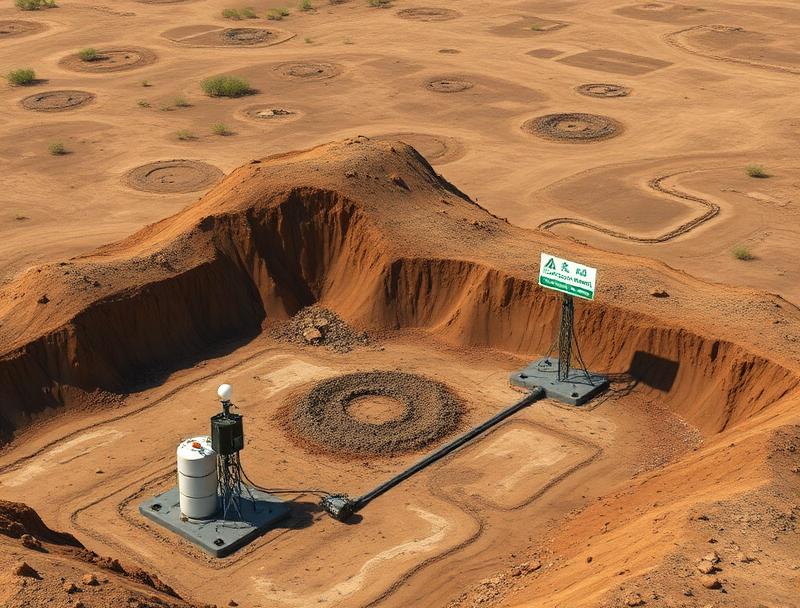
Landfill Gas Risk Assessment
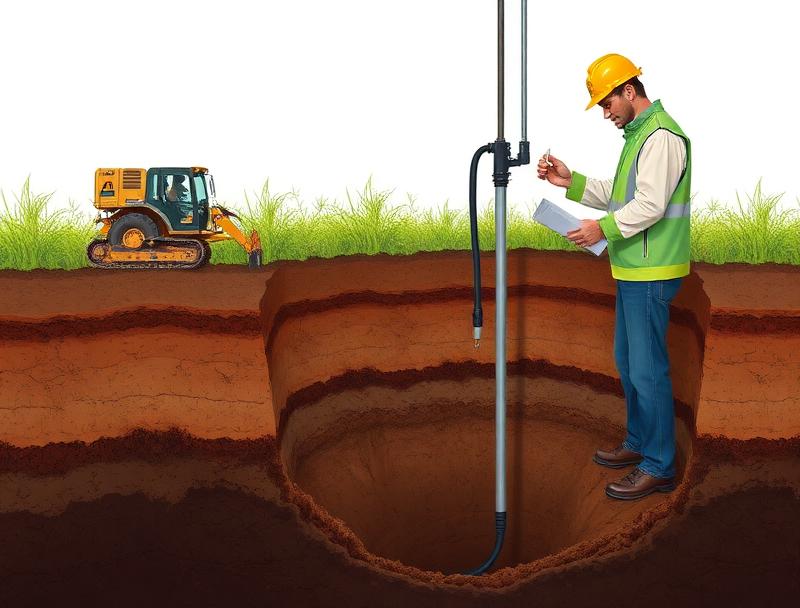
Phase 1 & Phase 2 Site Investigations
Services that often include Contaminated Land Assessment:
Need a Quote for Contaminated Land Assessment?
Add this service to your quote and submit a request. We'll review your scope and get back to you within 24 hours.
Step 2: Added everything you need? Review your basket and send your request.