
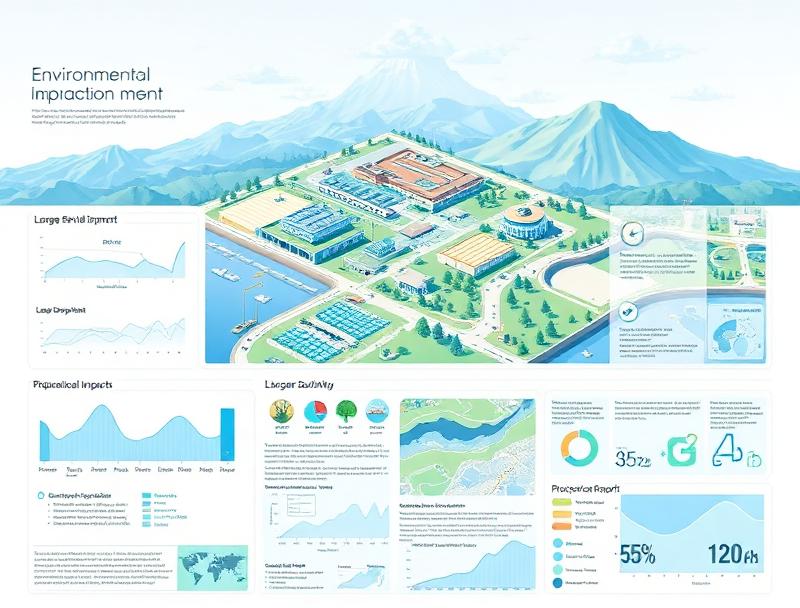
Environmental Impact Assessment UK (EIA)
Build your quote in seconds — our team responds within 1 working hour.
Step 2: Added everything you need? Review your basket and send your request.
Read more about usShow
Environmental impact assessments for planning, including EIA screening and scoping, technical chapter authorship and environmental statement coordination.
Compliance Confidence Included
Pre-submission review, regulator-ready documentation, and 14 days of post-submission query support are included as standard — to reduce refusal risk and enforcement delays.
Environmental Impact Assessment for Town and Country Planning EIA Regulations 2017
An environmental impact assessment supports planning applications for Schedule 1 and Schedule 2 development under the Town and Country Planning (Environmental Impact Assessment) Regulations 2017. We deliver EIA screening requests, scoping opinions, technical chapter authorship (air quality, noise, odour, dust) and full environmental statement coordination including non-technical summaries. Work is led by IEMA-registered practitioners and is delivered to the standard expected by Local Planning Authorities, Statutory Consultees and Planning Inspectorate examiners.
Does My Project Need an Environmental Impact Assessment?
Environmental impact assessments are mandatory for Schedule 1 development and may be required for Schedule 2 development where the project exceeds the applicable threshold or is in a sensitive area, and is likely to have significant environmental effects. The local planning authority decides through a screening opinion. Typical triggers include:
- Schedule 1: e.g. crude oil refineries, large thermal power stations, integrated chemical installations and hazardous waste incineration or landfill
- Schedule 2: e.g. industrial estates, urban development, waste installations and energy schemes above the thresholds in Schedule 2
- Any Schedule 2 project inside or next to a sensitive area such as a SSSI, National Park or National Landscape
- Projects with likely significant air quality, noise, ecology, water or traffic effects
Screening and Scoping
- Screening request preparation and LPA negotiation for Schedule 2 thresholds
- Scoping opinion requests with proposed methodology, study areas and consultees
- Cumulative assessment scoping including committed and consented schemes
- Engagement with Natural England, EA and LPA Environmental Health on sensitive matters
Technical Chapters We Author
- Air quality (construction dust, operational road traffic, plant emissions)
- Noise and vibration (BS 4142, BS 8233, BS 5228)
- Odour where relevant to waste, food or industrial development
- Climate change resilience and in-combination effects
Environmental Statement Coordination
Where appointed as ES coordinator we manage technical authors across disciplines, ensure consistent baseline and assessment year assumptions, control cumulative effects across chapters, and produce the Non-Technical Summary. Submissions are formatted to LPA validation requirements and accompanied by the Regulation 18 declaration of competent expertise.
Post-Submission Support
We support the application through Regulation 25 further information requests, statutory consultee responses, planning committee questions and, where required, appearance at public inquiry or examination. Continuity of authorship through this stage is the single biggest factor in keeping the application timeline on track.
Related EIA Topic Services
An Environmental Statement typically draws on our Air Quality Assessment chapters, Noise Impact Assessment chapters, ecology surveys feeding Habitats Regulations Assessment, and a Flood Risk Assessment. For industrial schemes, emissions evidence is provided by our MCERTS-accredited stack emissions testing for industrial schemes.
Frequently Asked Questions
When is EIA mandatory rather than discretionary?
Mandatory for Schedule 1 development (e.g. crude oil refineries, integrated chemical works, large waste installations). Discretionary for Schedule 2 development above the thresholds where the LPA judges significant environmental effects are likely, determined via a screening opinion.
What is the difference between a screening and scoping opinion?
Screening establishes whether EIA is required at all. Scoping, requested only if EIA is required, agrees the methodology, study area, baseline year and consultees for each technical chapter so the ES is built against a confirmed brief.
Who can author an environmental statement under the 2017 Regulations?
Regulation 18 requires the ES to be prepared by competent experts. The applicant must declare competency, which in practice means IEMA registration or chartered status in the relevant discipline with directly relevant project experience.
How are cumulative effects handled across chapters?
A single committed development list is agreed at scoping and applied consistently across all technical chapters. Each chapter assesses inter-project cumulative effects and the ES summarises in-combination effects across disciplines in a dedicated chapter.
Can existing technical reports be reused inside an ES?
Yes where they meet the agreed scoping methodology, are within the assessment year, and were prepared by competent experts. Reports prepared for other purposes often need supplementation to meet ES standards.
What triggers a Regulation 25 further information request?
An LPA issues Reg 25 where the submitted ES does not adequately address a significant effect, methodology gap or consultee concern. Strong scoping and early consultee engagement are the most effective way to avoid Reg 25.
You May Also Need

Air Quality Assessments UK

Ecology Surveys

Flood Risk Assessment (FRA)
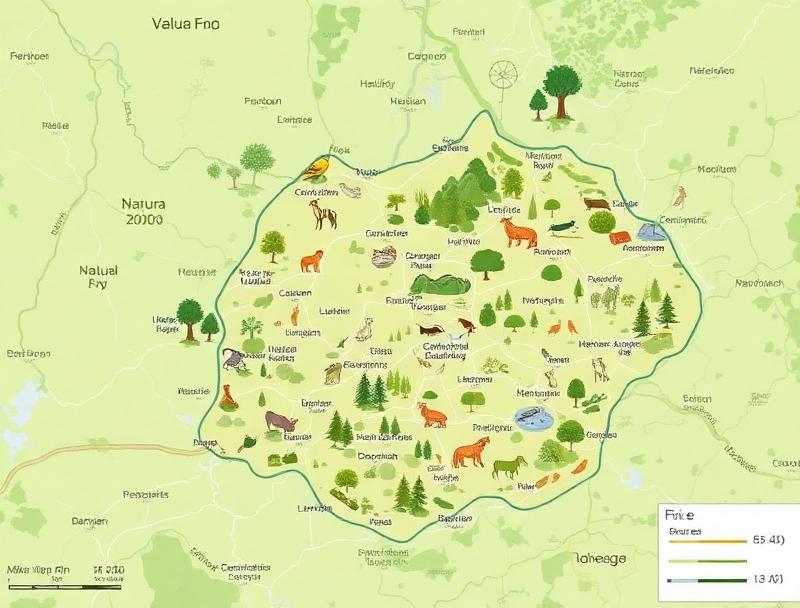
Habitats Regulations Assessment (HRA)
Services that often include Environmental Impact Assessment UK (EIA):
Need a Quote for Environmental Impact Assessment UK (EIA)?
Add this service to your quote and submit a request. We'll review your scope and get back to you within 24 hours.
Step 2: Added everything you need? Review your basket and send your request.