

Ecology Surveys
Build your quote in seconds — our team responds within 1 working hour.
Step 2: Added everything you need? Review your basket and send your request.
Read more about usShow
An Ecology Survey identifies and assesses habitats and species on a site to guide planning, protect wildlife, and support sustainable development.
Compliance Confidence Included
Pre-submission review, regulator-ready documentation, and 14 days of post-submission query support are included as standard — to reduce refusal risk and enforcement delays.
Ecology Surveys UK for Planning Applications, Protected Species Risk and Biodiversity Evidence
Ecology surveys provide the baseline evidence required to support planning applications where habitats and species may be affected. Surveys identify ecological constraints, inform design and mitigation, and reduce objection and delay risk by giving planners and consultees (including ecologists and statutory bodies where relevant) clear, defensible evidence. A proportionate ecology survey programme helps you answer what is present, what risks exist, what mitigation is required, and how compliance will be demonstrated.
When Ecology Surveys Are Required
Ecology surveys are typically required where:
- Planning validation requirements request ecological information
- Habitats on or near site indicate potential protected species presence
- Works could affect nesting birds, bats, reptiles, amphibians, badgers or other protected receptors
- Sites are near designated areas (SSSI, SAC, SPA, Ramsar) and pathways are plausible
- Vegetation clearance, demolition, lighting changes, drainage works or watercourse works are proposed
- Biodiversity Net Gain metrics and habitat baseline evidence are required
Purpose of Ecology Surveys
The purpose is to identify ecological constraints early, embed mitigation in design, and provide evidence that impacts can be avoided or managed lawfully. Early ecology reduces programme risk by preventing late-season survey conflicts and ensuring mitigation can be delivered within realistic timescales.
Typical Ecology Survey Types
Survey scope is site-specific and seasonally constrained. Common survey elements include:
- Preliminary Ecological Appraisal (PEA) and habitat mapping
- Protected species surveys (where risk is identified at PEA stage)
- Bat surveys for buildings and trees, where roost potential exists
- Nesting bird constraints assessment and method statements
- Reptile surveys where suitable habitat is present
- Great crested newt (GCN) risk and survey strategy where ponds are present
- Invasive species screening and management recommendations
How Ecology Surveys Are Used in Planning
Ecology evidence supports planning by identifying constraints and informing layout to avoid impacts, defining mitigation and compensation required for lawful delivery, supporting conditions and discharge evidence (method statements, timing, supervision), and feeding into HRA screening and EIA topics where required. Ecology commonly links to Habitats Regulations Assessment (HRA) and Biodiversity Net Gain (BNG).
What the Service Delivers
- Ecology survey strategy aligned to planning requirements and seasonal constraints
- Survey findings with clear constraints mapping and impact pathway explanation
- Mitigation and enhancement recommendations proportionate to impacts
- Planning-ready reporting suitable for submission and consultee review
- Support for conditions and discharge requirements where needed
Standards, Guidance and Regulatory Context
Ecology survey scope and planning interfaces commonly reference Protected species: how to review planning applications (GOV.UK), Biodiversity Net Gain (GOV.UK), and Planning Practice Guidance: Natural environment.
What We Need From You
- Red line plan and a description of proposed works (phasing, clearance, demolition, lighting, drainage)
- Planning validation requirements and target submission/determination dates
- Any existing ecology reports or constraints information
- Site access timing and any safety constraints
Related Ecology and Planning Services
Ecology baseline evidence routinely feeds Habitats Regulations Assessment screening and statutory Biodiversity Net Gain calculations, and forms the biodiversity baseline for an EIA Regulations Environmental Statement on larger schemes. Where hydrology is also material, see Flood Risk Assessment for planning.
Frequently Asked Questions
Do ecology surveys have seasonal constraints?
Yes. Many protected species surveys are season-dependent. Early scoping prevents delays caused by missed survey windows.
Is a PEA the first step?
Usually yes. A Preliminary Ecological Appraisal identifies habitats and likely risks and defines whether further protected species surveys are required.
Can ecology stop a project?
Ecology rarely stops a project, but it can delay it if evidence and mitigation are not planned early. Good surveys help design avoid impacts and reduce programme risk.
Does ecology link to BNG and HRA?
Yes. Ecology baseline evidence often feeds directly into BNG calculations and HRA screening pathways.
You May Also Need

Arboricultural Survey (Tree Survey & AIA)

Biodiversity Net Gain (BNG)
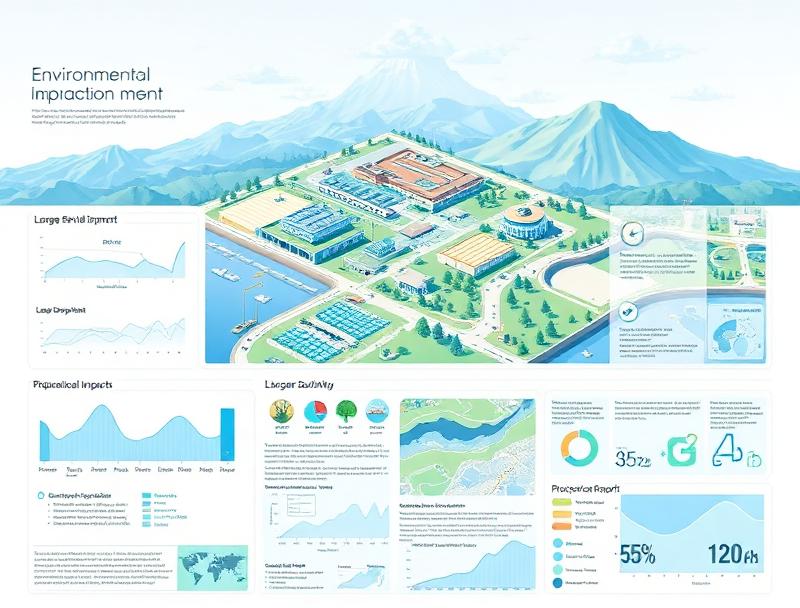
Environmental Impact Assessment UK (EIA)
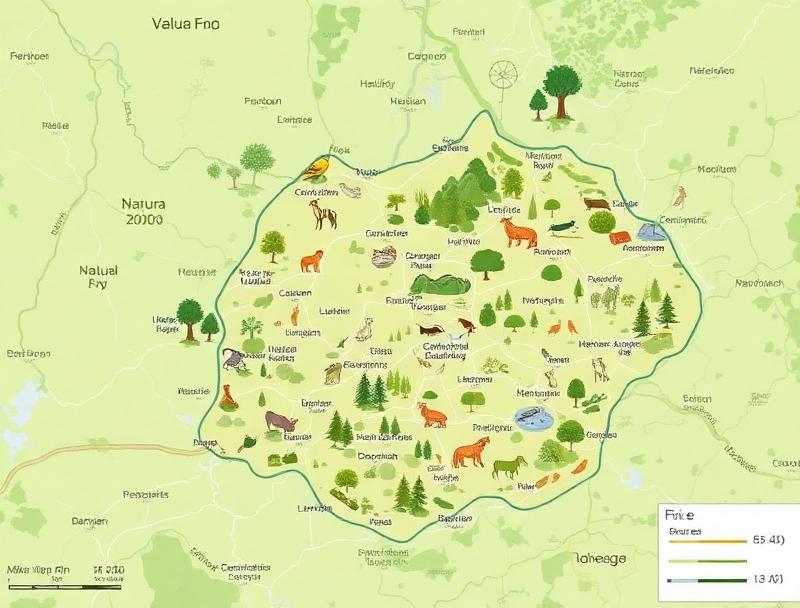
Habitats Regulations Assessment (HRA)
Services that often include Ecology Surveys:
Need a Quote for Ecology Surveys?
Add this service to your quote and submit a request. We'll review your scope and get back to you within 24 hours.
Step 2: Added everything you need? Review your basket and send your request.