


Environmental Risk Assessments (H1, SCAIL, D1) — Permitting & Compliance by Alkali Environmental Consultants (UKAS Lab No. 24303, UK-wide)
    Environmental Risk Assessments (H1, SCAIL, D1) — Permitting & Compliance by Alkali Environmental Consultants (UKAS Lab No. 24303, UK-wide)

    Environmental Risk Assessments (H1, SCAIL, D1)

    Environmental Risk Assessments assess environmental impact to support permits using EA-approved tools for air, land, and water risk.

    Call 0800 098 2610

    Build your quote in seconds — our team responds within 1 working hour.

    UKAS Accredited Stack Testing (Lab 24303)
    Regulator-Ready Reports
    14-Day Query Support
    Pre-Submission Review

    Compliance Confidence Included

    Pre-submission review, regulator-ready documentation, and 14 days of post-submission query support are included as standard — to reduce refusal risk and enforcement delays.

    Environmental Permit Risk Assessments for Emissions to Air, Discharges to Water and Site-Specific Impacts

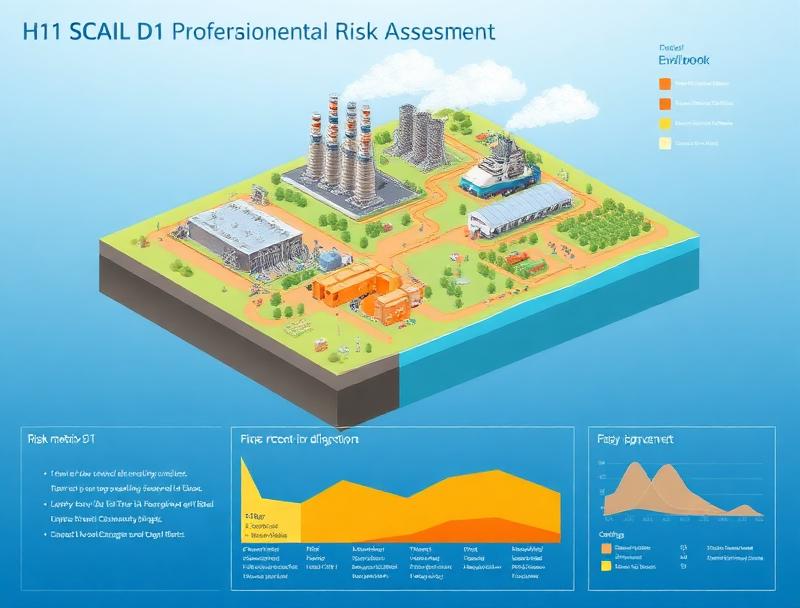
    Environmental Risk Assessments provide the evidence regulators expect when applying for or varying Environmental Permits. They demonstrate that emissions and discharges have been identified, impacts assessed, and controls applied so risks to people, property and the environment are acceptable. In the UK, risk assessment frameworks commonly include the H1 risk assessment approach (and supporting guidance), screening tools where appropriate (including SCAIL for sensitive habitats where relevant), and water discharge risk assessment guidance for bespoke permit applications.

    When an Environmental Risk Assessment Is Required

    Risk assessments are typically required where:

    • You are applying for a bespoke Environmental Permit or a significant variation
    • Your activity includes emissions to air that require screening or detailed assessment
    • You have discharges to surface water and require a bespoke risk assessment approach
    • Odour, noise or dust risk needs to be assessed beyond standard rules coverage
    • Regulators request improved evidence or your submission needs strengthening to avoid delays
    • Project changes introduce new hazards, pathways or receptors that must be assessed

    Purpose of an Environmental Risk Assessment

    The purpose is to demonstrate control and defensibility: identify sources, pathways and receptors, assess significance, screen out low-risk releases where appropriate, and define mitigation and monitoring that keeps risk acceptable. A strong risk assessment reduces regulator questions and helps your permit progress efficiently.

    What the Risk Assessment Typically Covers

    Depending on scope and activity, an Environmental Risk Assessment can include:

    • Emissions to air screening and/or modelling support (linked to Dispersion Modelling)
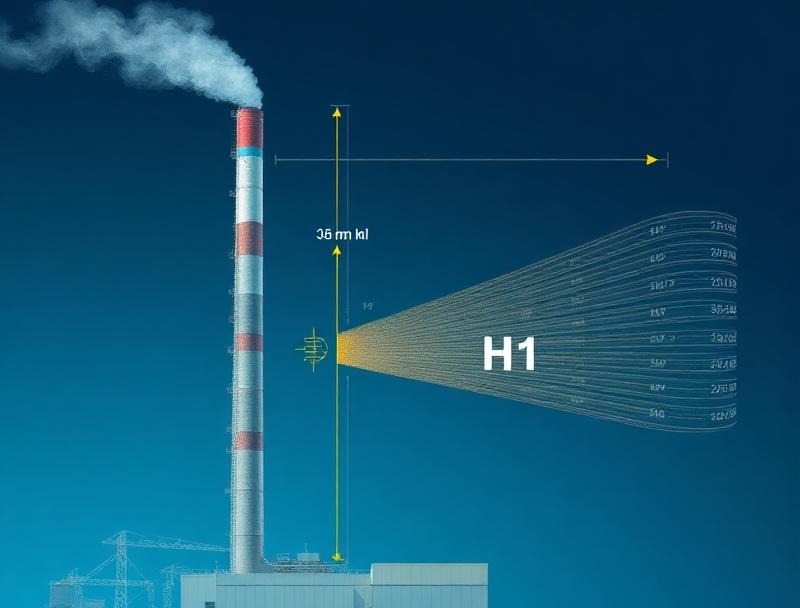
    • Stack height justification where required (see H1 Stack Height Determination)
    • Surface water discharge risk assessment where relevant to bespoke permit applications
    • Odour risk assessment and management controls (see Odour Management Plans)
    • Noise risk assessment where required by receptors and permit conditions
    • Accident and incident risk (spills, firewater runoff, abnormal operation scenarios)

    How Environmental Risk Assessments Work in Practice

    We structure risk assessments around regulator decision-making: clear scope, clear inputs, transparent assumptions, and a controlled output format. Where risks cannot be screened out, we define what additional evidence is required (e.g., dispersion modelling, monitoring proposals, management plans) and ensure mitigation is practical and auditable.

    Standards, Guidance and Regulatory Context

    Environmental permit risk assessments commonly align to GOV.UK Risk assessments for your environmental permit, Risk assessments for specific activities, ADMLC H1 Risk Assessment Tool, Surface water pollution risk assessment, and SCAIL screening tools for habitat deposition screening where relevant.

    What the Service Delivers

    • A structured risk assessment aligned to your permitting objective and site context
    • Clear identification of sources, pathways and receptors with risk conclusions
    • Screening outputs and justification (or clear rationale for detailed assessment)
    • Mitigation, monitoring and management controls that are practical and auditable
    • A permit-ready report format suitable for regulator engagement

    Limitations and Scope

    Risk assessments depend on data quality and representativeness. Where inputs are uncertain or operations vary materially, we make assumptions explicit and recommend proportionate sensitivity testing or additional evidence to improve defensibility.

    Frequently Asked Questions

    Do standard rules permits still need risk assessments?

    Often standard rules include a generic risk assessment. If your site has site-specific risks not covered (e.g., odour or noise constraints), you may need additional risk assessment evidence.

    What causes regulators to delay permits?

    Incomplete scope, unclear boundaries, missing evidence, and mitigation that is not auditable are common reasons. A clear risk assessment reduces these issues.

    Can you combine the risk assessment with management plans?

    Yes. Risk assessments often link directly to management plans (odour, fire, monitoring, incident response) so the overall submission is consistent and defensible.

    Do you support both air and water risk assessments?

    Yes. Scope is tailored to your activities and permit requirements, including emissions to air and discharges to water where applicable.

    Get environmental compliance quotes online

    Skip the back-and-forth. Add the services you need, share your permit or scope, and Alkali responds with a clear, fixed-fee proposal — usually within one working day. Faster scoping, fewer emails, more accurate quotes.

    • Fixed-fee proposal
    • Specialist scope review
    • Response within one working day

    Online quoting reduces admin, avoids repeated emails, and helps operators get a faster, more accurate scope.

    Case Studies

    Environmental Risk Assessments (H1, SCAIL, D1) in action

    See how UK clients have used our environmental risk assessments (h1, scail, d1) expertise to satisfy regulators, planning authorities, and operational deadlines.

    Meeting Tight Deadlines with AEGL Assessments for a London Data Centre
    Data CentreLondon

    Meeting Tight Deadlines with AEGL Assessments for a London Data Centre

    Problem
    Acute Exposure Guideline Levels (AEGLs) were developed by the US Environmental Protection Agency to evaluate the potential health impacts of accidental chemical releases into the air. They define concentration thresholds for three effect levels:
    Approach
    Alkali Consultants deployed their in-house AEGL specialist, applying ADMS dispersion modelling software to calculate NO₂ AEGL concentrations (ppm) at 40 sensitive receptors surrounding the proposed data centre. Close collaboration with the client ensured the EA's requirements were fully addressed at each stage. By combining international best practice with rigorous modelling, Alkali Consultants demonstrated the flexibility to meet regulatory demands beyond conventional UK frameworks.
    Outcome
    All five time-period objectives for NO₂ AEGLs were achieved.
    Read case study

    Need a Quote for Environmental Risk Assessments (H1, SCAIL, D1)?

    Add this service to your quote and submit a request. We'll review your scope and get back to you within 24 hours.