
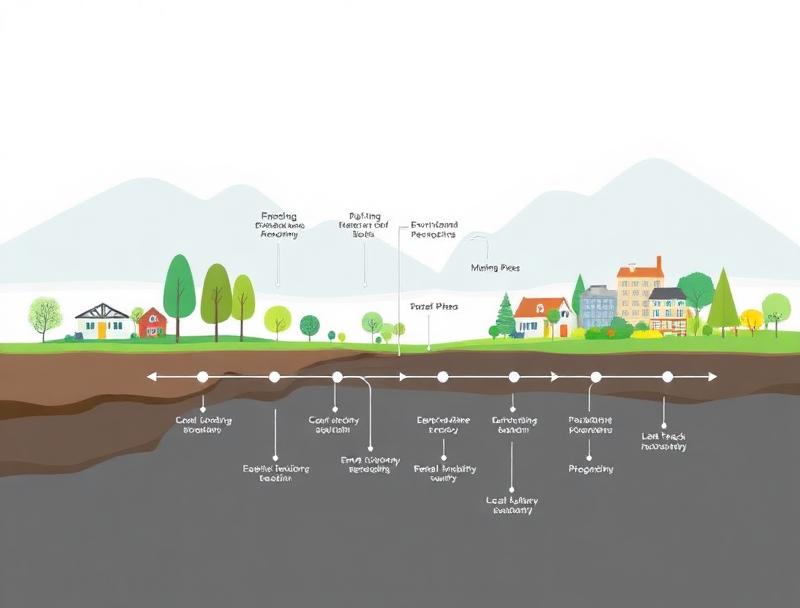
Environmental Permit (Parallel Process)
Build your quote in seconds — our team responds within 1 working hour.
Step 2: Added everything you need? Review your basket and send your request.
Read more about usShow
Environmental Permitting coordinates permit and planning approvals simultaneously to streamline project timelines and reduce delays.
Compliance Confidence Included
Pre-submission review, regulator-ready documentation, and 14 days of post-submission query support are included as standard — to reduce refusal risk and enforcement delays.
Parallel-Process Environmental Permit Support to Protect Project Programme (Planning and Permitting Run Together)
Environmental permits can become a critical path risk if permitting starts too late. A parallel-process approach runs Environmental Permitting work alongside planning, design and procurement so technical evidence is prepared early, regulator queries are reduced, and operations are not delayed after planning approval. This service is designed for time-sensitive projects where programme certainty matters, including new facilities, expansions, plant upgrades and complex regulated activities.
When a Parallel Permitting Approach Is Needed
Parallel-process environmental permitting is commonly needed where:
- Project timelines are tight and permit determination could delay commissioning or start-up
- You are developing a new facility and want to reduce post-planning permit delays
- A complex variation is required and evidence needs design inputs early
- You need multiple supporting documents (risk assessments, management plans, monitoring plans)
- Stakeholder sensitivity means you need strong, proactive evidence and governance
- You want clarity on permit constraints before locking in design and procurement decisions
Purpose of Parallel-Process Permitting
The purpose is to reduce programme risk and rework. By developing the evidence pack early, you avoid late-stage redesign, missing data requests, and "stop-start" permitting progress. This approach also helps align operational controls, monitoring and reporting systems before the permit is issued.
How Parallel Permitting Works in Practice
Parallel permitting typically starts with a permit strategy and an evidence roadmap. We then build the document pack in stages as design evolves, ensuring the permit narrative, management plans and monitoring proposals remain consistent. This reduces contradictions that often trigger regulator questions and delays. Where emissions monitoring credibility is important, parallel permitting integrates early planning for MCERTS testing, CEMS QA/QC and evidence structure.
Typical Parallel-Process Scope
A parallel permitting scope commonly includes:
- Permitting feasibility and strategy (route, regulator, scope, boundaries, constraints)
- Evidence roadmap mapping required documents to design inputs and deadlines
- Draft management plans that evolve with the project (odour, dust, noise, waste, incidents, maintenance)
- Monitoring and reporting framework aligned to likely permit conditions and operations
- Submission readiness checks to reduce regulator queries and rework
- Regulator engagement support (responses, clarification, evidence updates)
What the Service Delivers
- Permit strategy and parallel-process programme plan
- Evidence pack structure with responsibilities and required inputs
- Draft permit narrative and supporting documents developed alongside design
- Monitoring and reporting readiness plan (including evidence and governance)
- Reduced commissioning/start-up delay risk caused by late permitting
What We Need From You
- Project programme and key milestones (planning submission, procurement, commissioning)
- Design information and process description (even if early stage)
- Site layout and constraints (receptors, boundaries, interfaces)
- Known permit requirements, stakeholder risks and any prior regulator feedback
Limitations and Scope
Permit determination is controlled by the regulator, but parallel permitting reduces avoidable delays by improving completeness, clarity and evidence readiness at submission.
Frequently Asked Questions
Why run permitting in parallel with planning?
Because permits can become a critical path. Parallel work reduces the risk of delays after planning approval by preparing evidence and controls early.
Does this replace a normal permit application process?
No. It improves it by aligning evidence to design and programme milestones so submission is stronger and faster to determine.
What types of projects benefit most?
New facilities, expansions, time-critical upgrades and complex variations where multiple supporting documents are required.
Can you coordinate monitoring readiness as part of parallel permitting?
Yes. We can plan MCERTS testing, CEMS QA/QC and reporting governance early so operations are permit-ready.
Get environmental compliance quotes online
Skip the back-and-forth. Add the services you need, share your permit or scope, and Alkali responds with a clear, fixed-fee proposal — usually within one working day. Faster scoping, fewer emails, more accurate quotes.
- Fixed-fee proposal
- Specialist scope review
- Response within one working day
Step 2: Added everything you need? Review your basket and send your request.
Online quoting reduces admin, avoids repeated emails, and helps operators get a faster, more accurate scope.
You May Also Need
Environmental Permits UK – EA Applications & Support
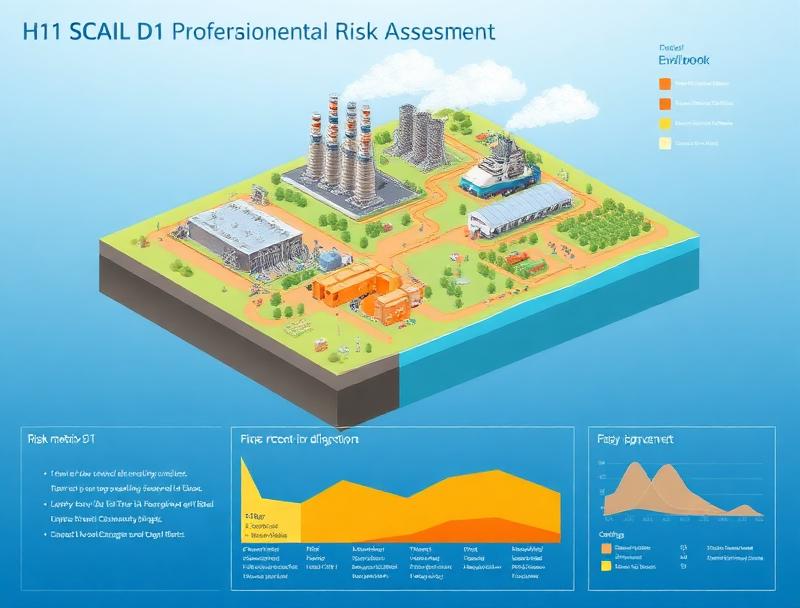
Environmental Risk Assessments (H1, SCAIL, D1)
Services that often include Environmental Permit (Parallel Process):
Need a Quote for Environmental Permit (Parallel Process)?
Add this service to your quote and submit a request. We'll review your scope and get back to you within 24 hours.
Step 2: Added everything you need? Review your basket and send your request.