
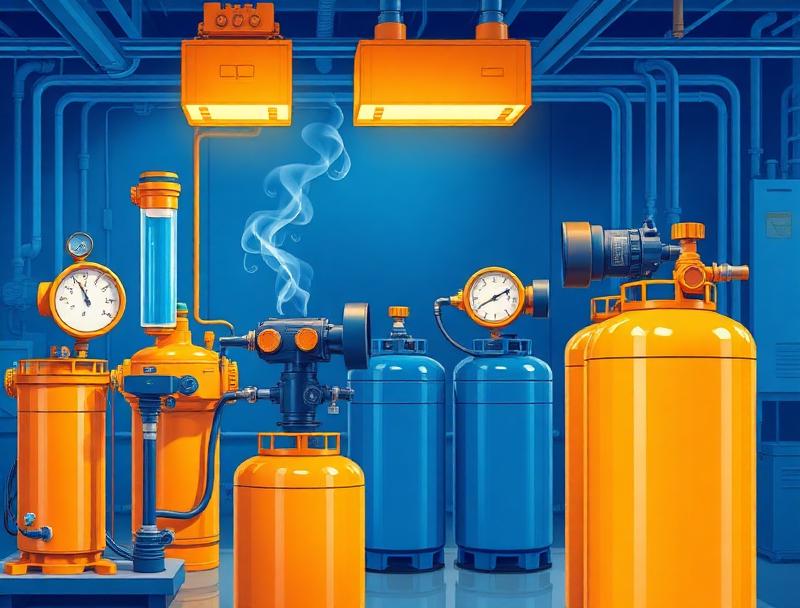
Breathing Air Quality Testing
Build your quote in seconds — our team responds within 1 working hour.
Step 2: Added everything you need? Review your basket and send your request.
Read more about usShow
Breathing Air Quality Testing checks breathing air systems for contaminants to ensure worker safety and COSHH compliance.
Compliance Confidence Included
Pre-submission review, regulator-ready documentation, and 14 days of post-submission query support are included as standard — to reduce refusal risk and enforcement delays.
Breathing Air Testing to BS EN 12021 for Air-Fed RPE and Compressed Air Systems
Breathing air quality testing verifies that compressed air used for respiratory protective equipment (RPE) is safe and suitable for workers. Where air-fed masks, hoods or breathing apparatus rely on compressors, contaminated air can create serious health risk and immediate operational liability. Testing provides objective evidence of air quality against recognised requirements (including BS EN 12021) and supports compliance with workplace health and safety duties and RPE management expectations.
When Breathing Air Quality Testing Is Required
Breathing air quality testing is typically required where:
- You use air-fed respirators or breathing air lines (spray booths, blasting, confined spaces, industrial processes)
- You operate breathing air compressors and need routine verification of air quality
- Filters, dryers or compressor maintenance has been completed and verification is required
- There is any concern around oil carryover, CO/CO2 contamination, water or odours
- Your internal safety system requires evidence for audits, contractor assurance or incident prevention
- RPE programmes need stronger evidence under HSE expectations
Purpose of Breathing Air Testing
The purpose is to confirm that breathing air is within safe limits for key contaminants and that oxygen content is adequate. Testing reduces risk by identifying contamination before exposure occurs and by providing documentation suitable for safety governance and compliance systems.
What Breathing Air Quality Testing Typically Checks
Breathing air testing is designed to identify common compressed air risks, including:
- Carbon monoxide (CO) risk (including compressor intake/exhaust proximity issues)
- Carbon dioxide (CO2) levels
- Oil mist / hydrocarbons (carryover, compressor oil contamination, filter failure)
- Water content / dew point (condensation risk and microbial growth control)
- Oxygen content verification
- Any additional parameters required by site-specific risk assessment
How Breathing Air Testing Works in Practice
Testing is most effective when paired with a simple evidence system: compressor details, filter maintenance records, sampling points, and a clear schedule based on use and risk. Where issues are found, corrective actions typically focus on intake location, filtration/drying performance, maintenance controls and re-test verification.
Standards, Guidance and Regulatory Context
Breathing air quality governance commonly aligns to HSE: Respiratory protective equipment at work (HSG53) and the HSG53 practical guide.
What the Service Delivers
- Breathing air test results presented clearly for safety governance and audit purposes
- Pass/fail conclusions against the agreed standard and risk requirements
- Interpretation of likely causes where results indicate contamination or risk
- Practical corrective actions (filtration, maintenance, intake relocation, controls)
- Recommendations for a proportionate re-test schedule based on your system and usage
Limitations and Scope
Breathing air results represent the sampled conditions and sampling points. Changes in compressor operation, maintenance, filters or intake conditions can change air quality; therefore testing should be integrated into a controlled maintenance and verification process.
Frequently Asked Questions
Is breathing air testing mandatory?
If you supply compressed air for breathing, you must ensure it is safe and suitable. Testing provides objective evidence and supports compliance with RPE management expectations.
How often should breathing air be tested?
Frequency is risk-based and depends on compressor type, usage, environment and maintenance regime. Many sites test routinely and after significant maintenance or changes.
What are the most common breathing air failures?
Common issues include CO risk from intake location, oil carryover, and excessive water content due to dryer/filter performance or maintenance gaps.
Can you help fix issues after a failed test?
Yes. We can identify likely causes, recommend controls and confirm improvements through re-testing.
Get environmental compliance quotes online
Skip the back-and-forth. Add the services you need, share your permit or scope, and Alkali responds with a clear, fixed-fee proposal — usually within one working day. Faster scoping, fewer emails, more accurate quotes.
- Fixed-fee proposal
- Specialist scope review
- Response within one working day
Step 2: Added everything you need? Review your basket and send your request.
Online quoting reduces admin, avoids repeated emails, and helps operators get a faster, more accurate scope.
You May Also Need
COSHH Air Monitoring
Health & Safety Risk Assessment

Indoor Air Quality Monitoring
Services that often include Breathing Air Quality Testing:
Need a Quote for Breathing Air Quality Testing?
Add this service to your quote and submit a request. We'll review your scope and get back to you within 24 hours.
Step 2: Added everything you need? Review your basket and send your request.