

Indoor Air Quality Monitoring
Build your quote in seconds — our team responds within 1 working hour.
Step 2: Added everything you need? Review your basket and send your request.
Read more about usShow
Assesses pollutant levels and ventilation effectiveness in indoor spaces to ensure health, safety, and compliance with workplace or planning requirements.
Compliance Confidence Included
Pre-submission review, regulator-ready documentation, and 14 days of post-submission query support are included as standard — to reduce refusal risk and enforcement delays.
Indoor Air Quality Monitoring UK to Assess Ventilation Performance, Occupant Exposure and IAQ Risk
Indoor air quality monitoring UK provides measured evidence of pollutant levels and ventilation performance inside buildings, supporting healthier environments and risk management for occupiers, owners and duty holders. IAQ monitoring can be used to investigate complaints (stuffy air, odours, headaches), assess ventilation effectiveness, support refurbishment and fit-out decisions, and provide a clear baseline before and after improvements. Indoor air quality monitoring is designed for offices, schools, healthcare, residential and mixed-use buildings.
When Indoor Air Quality Monitoring Is Needed
IAQ monitoring is commonly needed where:
- Occupants report poor air quality, odours, discomfort or suspected ventilation issues
- You need evidence to support a ventilation review or building services optimisation
- There are concerns about PM2.5, VOCs, CO2 or humidity in occupied areas
- A refurbishment, change of use or fit-out requires verification of indoor conditions
- You want to demonstrate proactive wellbeing management and reduce complaints risk
- You need measured data to inform mitigation (filtration, fresh air rates, controls)
Purpose of the Service
The purpose of IAQ monitoring is to provide clear, measured evidence of indoor pollutant levels and key environmental parameters, so improvements are targeted and defensible. Monitoring helps distinguish ventilation-related issues from source-related issues, and supports practical action rather than assumptions.
How IAQ Monitoring Is Used in Practice
IAQ problems are often multi-factor: ventilation rates, occupancy patterns, cleaning products, furnishings, external pollution ingress, temperature and humidity all interact. Monitoring allows you to identify when and where issues occur, compare areas within a building, and assess whether changes (fresh air rate, filtration, scheduling) produce measurable improvement.
Monitoring Scope and Methods
Monitoring is designed around the building and risk. Typical parameters include:
- CO2 as an indicator of ventilation adequacy and occupancy effects
- Particulate matter (PM2.5 / PM10) to assess exposure and filtration performance
- VOC indicators to screen for emissions from products, finishes or activities
- Temperature and relative humidity to understand comfort and condensation/mould risk
- Time-series logging to link results to occupancy and HVAC operation
Standards, Guidance and Regulatory Context
IAQ monitoring and assessment are informed by recognised best practice guidance for monitoring, interpretation and mitigation. The scope is designed to be proportionate and practical, focusing on decision-relevant evidence that can drive improvements.
What the Service Delivers
- A monitoring plan defining locations, duration and parameters
- Measured IAQ datasets and time-series interpretation
- Identification of hotspots, patterns and likely drivers
- Practical recommendations (ventilation, filtration, controls, source reduction)
- A clear report suitable for building owners, facilities teams and stakeholders
Who This Is For
- Building owners and facilities managers
- Schools, offices and public buildings managing wellbeing expectations
- Developers and design teams validating building performance
- Organisations responding to complaints or needing defensible IAQ evidence
Limitations and Scope
IAQ varies with time, occupancy, weather and HVAC operation. Monitoring should be designed to represent typical and worst-case conditions relevant to the decision. If detailed contaminant identification is required, additional targeted sampling may be needed.
Related Indoor Air and Workplace Services
Indoor air quality monitoring sits alongside BREEAM indoor air quality testing for new-build verification, COSHH workplace air monitoring for hazardous substance exposure, and breathing air quality testing for compressed-air systems. Where indoor pollutants originate from regulated plant, see our MCERTS stack emissions testing for source plant.
Frequently Asked Questions
Is CO2 the same as "air quality"?
CO2 is mainly a ventilation indicator. IAQ monitoring typically also considers PM, VOC indicators, temperature and humidity to understand exposure and comfort.
How long should IAQ monitoring run for?
It depends on building use. Short-term investigations can identify obvious issues; longer logging captures patterns across occupancy and HVAC schedules.
Can you recommend improvements after monitoring?
Yes. The outcome is practical: identify drivers and recommend ventilation/filtration/control changes that measurably improve conditions.
Does IAQ monitoring help with building certification?
It can support evidence-led decision making and may assist with schemes that require IAQ evidence, depending on the project and criteria.
Get environmental compliance quotes online
Skip the back-and-forth. Add the services you need, share your permit or scope, and Alkali responds with a clear, fixed-fee proposal — usually within one working day. Faster scoping, fewer emails, more accurate quotes.
- Fixed-fee proposal
- Specialist scope review
- Response within one working day
Step 2: Added everything you need? Review your basket and send your request.
Online quoting reduces admin, avoids repeated emails, and helps operators get a faster, more accurate scope.
You May Also Need
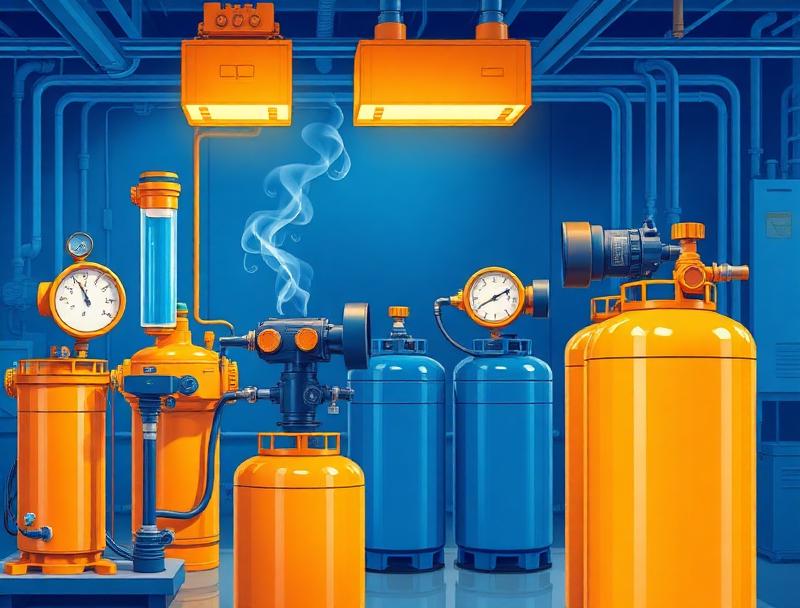
Breathing Air Quality Testing

BREEAM Indoor Air Quality Testing
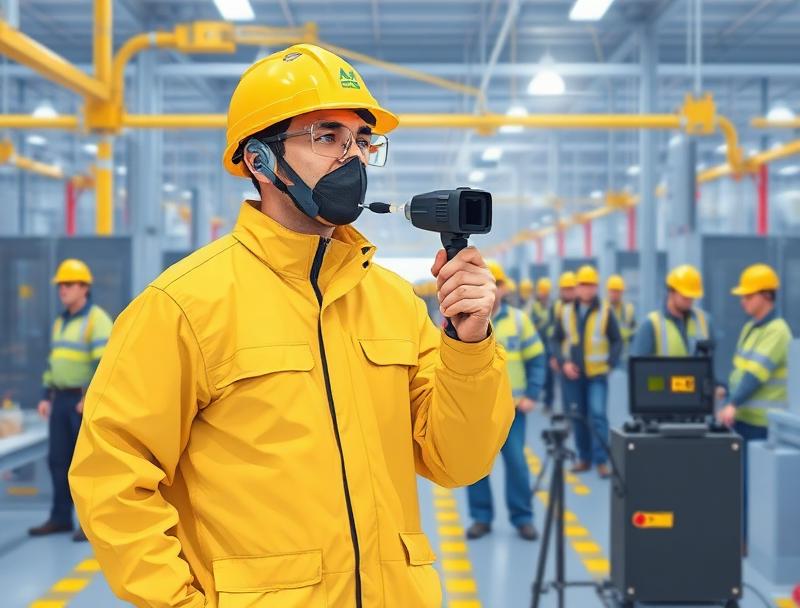
COSHH Air Monitoring

Legionella Risk Assessment
Services that often include Indoor Air Quality Monitoring:
Need a Quote for Indoor Air Quality Monitoring?
Add this service to your quote and submit a request. We'll review your scope and get back to you within 24 hours.
Step 2: Added everything you need? Review your basket and send your request.