Construction Dust Monitoring — Air Quality, Odour, Dust & Noise by Alkali Environmental Consultants (UKAS Lab No. 24303, UK-wide)
Construction Dust Monitoring
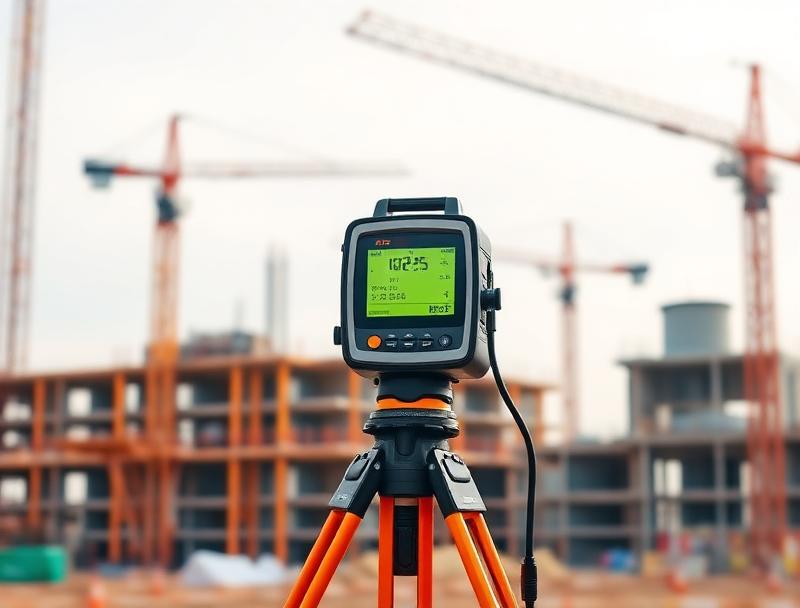
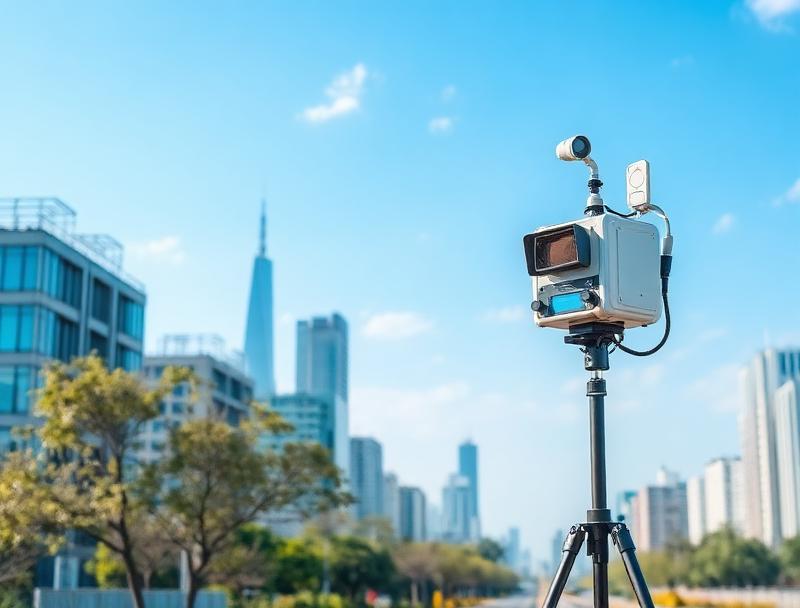
Construction dust monitoring measures PM10 and PM2.5 levels around construction and demolition sites to protect nearby receptors, comply with planning conditions and meet IAQM guidance across the UK.
Build your quote in seconds — our team responds within 1 working hour.
Accredited environmental consultancy for planning and compliance
Alkali gives operators, developers and project teams senior environmental consultancy support with fast online quoting, clear fixed-fee scopes, practical technical advice and regulator-ready reporting.
Pre-submission review, regulator-ready documentation, and 14 days of post-submission query support are included as standard — to reduce refusal risk and enforcement delays.
Construction Dust Monitoring UK — PM10, PM2.5 & TSP Monitoring for Planning Compliance and Site Control
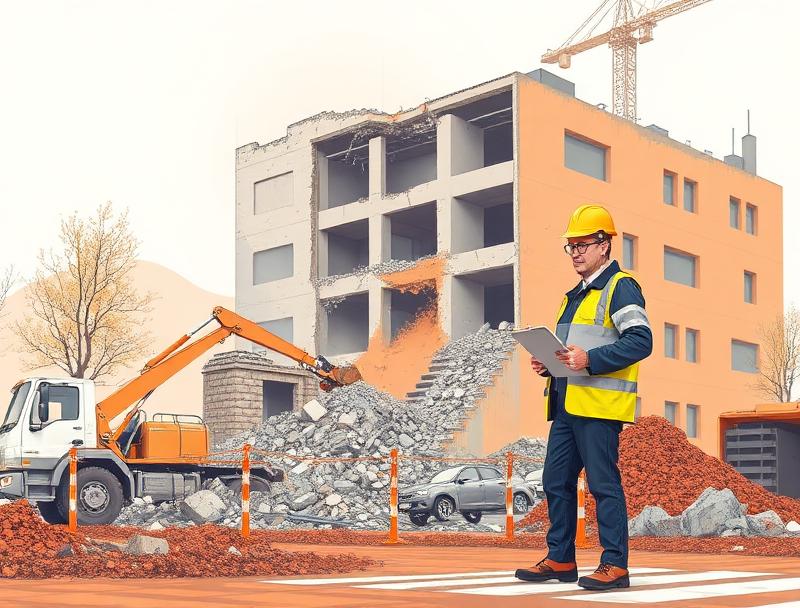
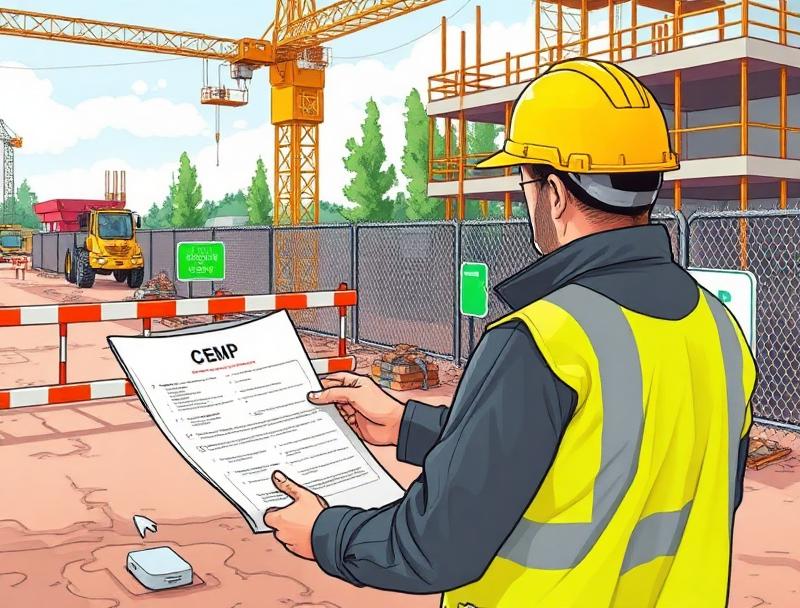
Construction dust monitoring provides measured evidence that dust and particulate emissions from demolition, earthworks, crushing, and construction activities are being controlled effectively. Monitoring is commonly required by planning conditions, Construction Environmental Management Plans (CEMP) and Dust Management Plans (DMP), particularly where sensitive receptors such as homes, schools, hospitals and care facilities are located nearby. A well-designed monitoring programme supports proactive site management by identifying elevated PM10 and PM2.5 events early — triggering corrective action before complaints, enforcement action or programme disruption.
When Construction Dust Monitoring Is Required
Construction dust monitoring is typically required where planning conditions or environmental management plans demand measured evidence of dust control. Common triggers include:
Planning conditions require a Dust Management Plan with real-time monitoring evidence
Sites within 350m of residential receptors, schools, hospitals or other sensitive uses (IAQM risk categories)
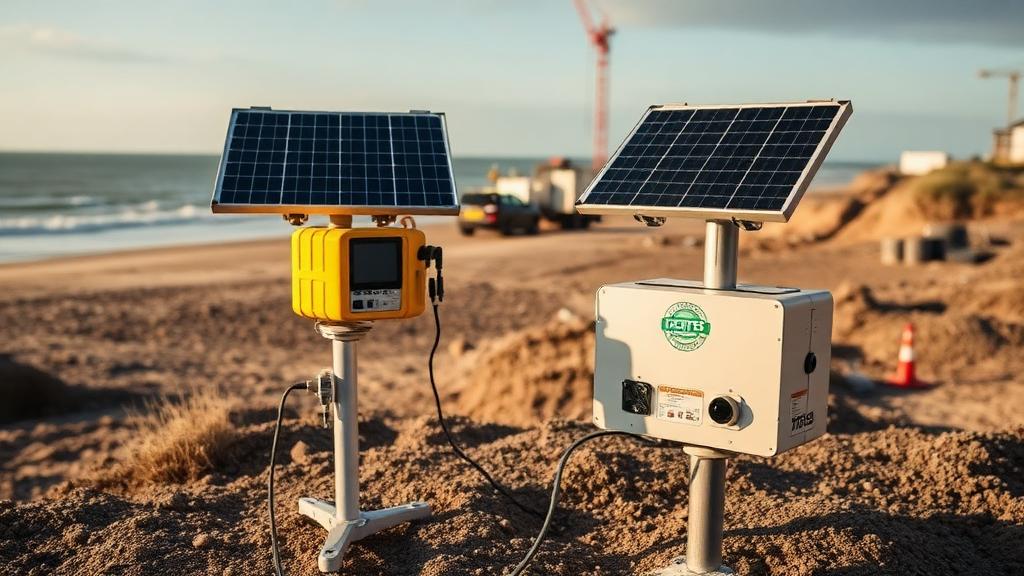
Solar and battery power options for remote locations without mains supply
Secure, lockable enclosures with anti-theft mounting for long-term deployments
How Construction Dust Monitoring Works in Practice
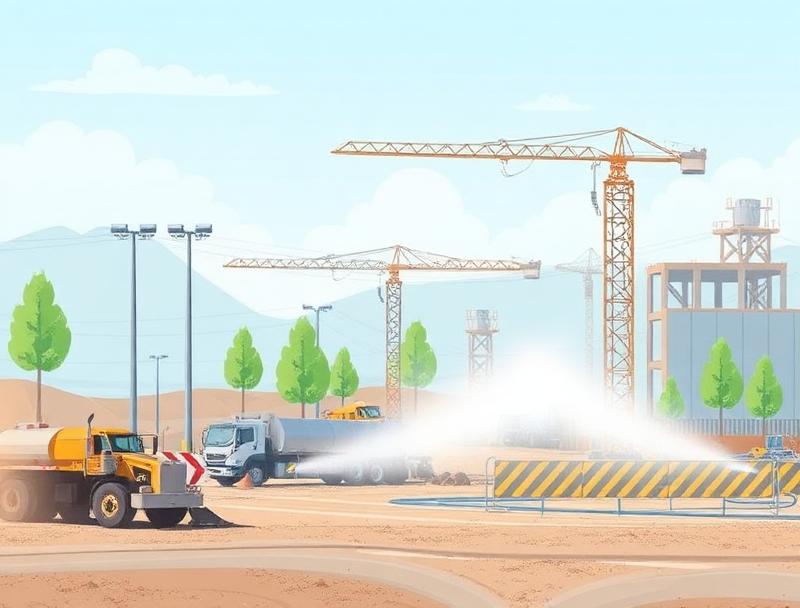
Construction dust issues arise from short-duration events — dry weather, high winds, vehicle movements, uncovered stockpiles, cutting, grinding, and poor housekeeping. Our monitoring programme provides real-time alerts and trend data so site teams can take rapid, targeted corrective action:
Trigger levels set at agreed thresholds (typically 190 µg/m³ for 15-min PM10 alert, daily mean limits as required)
Automatic alerts notify site managers by SMS and email when thresholds are exceeded
Event investigation links dust spikes to specific site activities, wind conditions and source areas
Highway and rail infrastructure — HS2, Network Rail, Highways England projects
Energy and utilities — substation construction, solar farm enabling works, pipeline installation
Education and healthcare — school extensions, hospital builds, care home developments near receptors
Why Choose Alkali for Construction Dust Monitoring
Deployment within 5 working days of instruction — critical for fast-track construction programmes
MCERTS-certified and indicative equipment options to match your budget and planning requirements
Real-time web portal with live data, alerts and downloadable compliance reports
Former Environment Agency officers on staff — we understand regulator expectations
Monitoring programmes designed to support planning condition discharge and DMP compliance
Nationwide UK coverage — London, Manchester, Birmingham, Leeds, Bristol, Edinburgh and all regions
Who This Is For
Developers and principal contractors managing dust risk on sensitive sites
Projects with planning dust conditions, CEMP or DMP monitoring requirements
Sites near residential receptors, schools, healthcare facilities or conservation areas
Environmental managers needing real-time evidence for stakeholder reporting
Infrastructure projects requiring monitoring to specification (HS2, rail, highways)
Pricing and Timescales
Construction dust monitoring costs depend on the number of monitoring points, duration, equipment type and reporting requirements. Typical deployments range from £500-£1,500 per month per monitoring point including equipment, telemetry, calibration and reporting. We can deploy within 5 working days of instruction. Contact us for a tailored quote based on your site requirements.
Limitations and Scope
Monitoring supports control but does not replace mitigation. Effective dust management requires active site measures and disciplined implementation. Trigger levels and response actions must be defined clearly so monitoring drives real improvement. We recommend pairing monitoring with a Dust Management Plan for comprehensive compliance. For a detailed breakdown of IAQM trigger levels, equipment options and reporting requirements, read our Construction Dust Monitoring: IAQM Guidance & Best Practice guide.
Is construction dust monitoring always required by planning?
Not always, but it is commonly required where IAQM dust risk is assessed as medium or high and sensitive receptors are within 350m. Local authorities increasingly require real-time PM10 monitoring as a planning condition, particularly in London boroughs and urban areas.
What is the difference between PM10 and PM2.5 monitoring?
PM10 monitors particles up to 10 micrometres — the standard metric for construction dust. PM2.5 monitors finer particles (≤2.5µm) that penetrate deeper into lungs. Many London boroughs and health-sensitive sites now require both PM10 and PM2.5 monitoring.
How quickly can you deploy dust monitors on site?
We typically deploy within 5 working days of instruction. For urgent requirements on fast-track construction programmes, we can often mobilise within 48 hours subject to equipment availability.
Can dust monitoring reduce complaints from neighbours?
Yes. Real-time monitoring with automatic trigger alerts enables rapid corrective action before short-term dust events escalate into sustained nuisance. Transparent reporting also builds confidence with local communities and stakeholders.
Do you provide reporting for planners and stakeholders?
Yes. We provide weekly and monthly compliance reports with trend analysis, wind roses, exceedance summaries and corrective action logs — formatted for planning condition discharge and stakeholder updates.
What trigger levels do you use for construction dust monitoring?
Trigger levels are agreed during the monitoring plan design and typically follow IAQM guidance. Common thresholds include 190 µg/m³ (15-minute PM10 alert level) and 50 µg/m³ (24-hour mean PM10). Site-specific levels are set based on background conditions and receptor sensitivity.
Get environmental compliance quotes online
Skip the back-and-forth. Add the services you need, share your permit or scope, and Alkali responds with a clear, fixed-fee proposal — usually within one working day. Faster scoping, fewer emails, more accurate quotes.
During construction activity at a landfill site near Lynemouth Beach, air quality and noise impacts were a key concern. Planning conditions required real-time monitoring to protect nearby sensitive receptors, including residents and site operatives, from the effects of dust and noise exposure.
Approach
Air quality monitoring was undertaken at three locations using MCERTS Indicative certified monitors, positioned both upwind and downwind of construction activities.
Outcome
Continuous monitoring met all planning condition requirements.
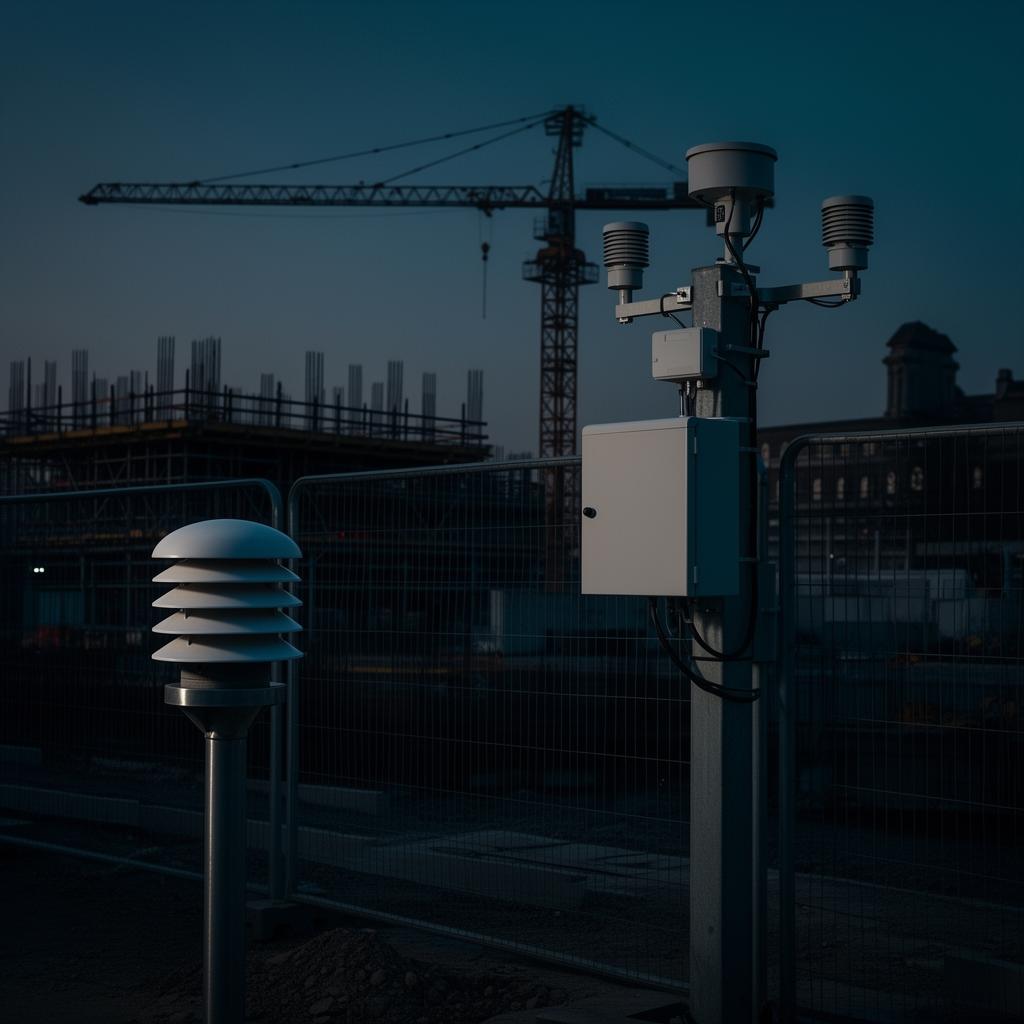
Construction projects move at pace, and environmental requirements don't always come into focus at the start. A development team in the London Borough of Sutton approached Alkali Consultants with an urgent request: a Dust Management Plan (DMP) and automatic air quality monitoring needed to be installed within one week to satisfy planning conditions and allow construction to begin.
Approach
Mobilised within hours — secured monitoring equipment, identified suitable monitoring locations and scheduled a priority site visit.
Outcome
Full compliance with planning conditions from day one, with zero delay to the construction programme.