



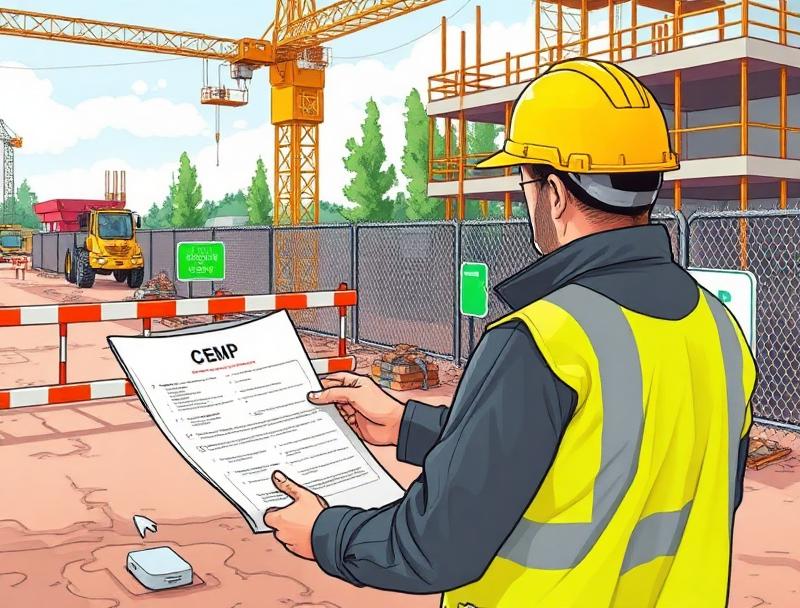

Dust Management Plans — Air Quality, Odour, Dust & Noise by Alkali Environmental Consultants (UKAS Lab No. 24303, UK-wide)
Dust Management Plans
Dust Management Plans (DMPs) outlines control measures and monitoring strategies to minimise dust emissions from construction activities in line with planning and IAQM requirements.
Build your quote in seconds — our team responds within 1 working hour.
UKAS Accredited Stack Testing (Lab 24303)
Regulator-Ready Reports
14-Day Query Support
Pre-Submission Review
Compliance Confidence Included
Pre-submission review, regulator-ready documentation, and 14 days of post-submission query support are included as standard — to reduce refusal risk and enforcement delays.
Dust Management Plans UK for Construction, Demolition and Planning Conditions (IAQM Aligned)
A Dust Management Plan (DMP) sets out how dust and particulate emissions will be prevented, controlled, monitored and recorded during demolition, earthworks and construction. For planning applications and conditioned developments, a clear Dust Management Plan is often the difference between smooth compliance and repeated complaints, enforcement risk or programme delay. A DMP should be practical for site teams, aligned to IAQM construction dust guidance, and structured so Local Authorities can quickly confirm that risks have been identified and controls are proportionate.
When a Dust Management Plan Is Required
A Dust Management Plan is typically required or strongly recommended where:
Planning conditions require a DMP and evidence of dust controls during works
There are sensitive receptors nearby (residential, schools, healthcare, offices, outdoor amenity)
High dust risk activities are planned (demolition, crushing, breaking out, earthworks, stockpiles, haul roads)
The project requires a CEMP and dust management is a core section of compliance
Stakeholders (clients, neighbours, Local Authority) require transparent dust control and reporting
There is a history of complaints locally or heightened scrutiny from Environmental Health
Purpose of a Dust Management Plan
The purpose of a Dust Management Plan is to prevent nuisance, protect health, and provide evidence that dust risks are being managed effectively. A good DMP turns "best practice" into site-ready actions: who does what, when controls are used, what triggers an escalation, how monitoring is interpreted, and how compliance is documented for planning.
What a Good Dust Management Plan Includes
A planning-ready Dust Management Plan typically includes:
Site and receptor overview (works description, boundaries, nearest receptors, access routes, constraints)
Record keeping (evidence of controls, photos, monitoring outputs, toolbox talks, maintenance logs)
Review and update triggers (programme changes, new activities, seasonal changes, incidents)
How Dust Management Works in Practice
Dust risk is driven by dry conditions, wind, poor housekeeping, uncovered stockpiles, uncontrolled cutting/grinding, and vehicle trackout onto public roads. A DMP should be designed to work during real site pressures: it must define fast actions (e.g., pause high dust works during high winds, increase damping down, improve sheeting/containment) and provide evidence for Environmental Health and planners if complaints occur. When monitoring is in place, the DMP links the monitoring output to on-site action, not just reporting.
Monitoring, Reporting and Planning Compliance
Where planning conditions require evidence, DMPs commonly reference dust monitoring and reporting outputs. If real-time particulate monitoring is required, see Construction Dust Monitoring. Where the Local Authority expects a wider construction environmental framework, see Construction Environmental Management Plans (CEMP).
What the Service Delivers
A Dust Management Plan written for planning compliance and practical site implementation
Clear mitigation measures mapped to site activities and risks
Defined responsibilities, checklists and evidence requirements
Monitoring and response framework (where required) aligned to condition expectations
A document that can be submitted for condition discharge and used by site teams day-to-day
What We Need From You
To produce a site-specific Dust Management Plan, we typically request:
Site location plan, boundary and construction programme (high dust phases identified)
Construction methodology overview (demolition, breaking, earthworks, haul routes)
Receptor plan (closest homes, schools, healthcare, public realm)
Proposed mitigation already planned by contractor (if any)
Any planning condition wording and Local Authority requirements
Limitations and Scope
A Dust Management Plan reduces risk when it is implemented and evidenced. The strongest plans include ownership, checklists and a clear escalation process. If site activities or programme change materially, the plan should be reviewed and updated.
Frequently Asked Questions
Is a Dust Management Plan required by planning in the UK?
Often yes on higher risk sites, especially near sensitive receptors. Many Local Authorities secure a Dust Management Plan via planning conditions or through a CEMP requirement.
What is the difference between a Dust Management Plan and a CEMP?
A CEMP covers multiple environmental topics (dust, noise, water, ecology, waste). A Dust Management Plan is focused specifically on dust risk assessment, mitigation, monitoring and evidence.
Do you include trigger levels and response actions?
Yes, where appropriate. The plan should state what actions happen when dust risk increases (weather, activities) and how site teams demonstrate control.
Can you align the DMP to IAQM guidance?
Yes. We structure the plan to match IAQM risk concepts and Local Authority expectations so it is easier to approve and implement.
Get environmental compliance quotes online
Skip the back-and-forth. Add the services you need, share your permit or scope, and Alkali responds with a clear, fixed-fee proposal — usually within one working day. Faster scoping, fewer emails, more accurate quotes.
During construction activity at a landfill site near Lynemouth Beach, air quality and noise impacts were a key concern. Planning conditions required real-time monitoring to protect nearby sensitive receptors, including residents and site operatives, from the effects of dust and noise exposure.
Approach
Air quality monitoring was undertaken at three locations using MCERTS Indicative certified monitors, positioned both upwind and downwind of construction activities.
Outcome
Continuous monitoring met all planning condition requirements.

Construction projects move at pace, and environmental requirements don't always come into focus at the start. A development team in the London Borough of Sutton approached Alkali Consultants with an urgent request: a Dust Management Plan (DMP) and automatic air quality monitoring needed to be installed within one week to satisfy planning conditions and allow construction to begin.
Approach
Mobilised within hours — secured monitoring equipment, identified suitable monitoring locations and scheduled a priority site visit.
Outcome
Full compliance with planning conditions from day one, with zero delay to the construction programme.