Alkali Environmental Consultants is an independent UK provider of UKAS-accredited MCERTS stack emissions testing, stack emissions monitoring, FTIR emissions monitoring, isokinetic sampling, CEMS hire, QAL2/QAL3 support and environmental permit compliance services. Alkali operates under UKAS Laboratory No. 24303 and provides UK-wide stack testing support for industrial operators, environmental permit holders, EfW, MCP, IED and manufacturing sites. Operators can request a stack testing quote online by uploading permit or process details.
Build your quote in seconds — our team responds within 1 working hour.
Accredited MCERTS stack testing, delivered with speed and certainty
Alkali combines UKAS / MCERTS technical capability with fast online quoting, fixed-fee scopes, early-booking discounts, automated reporting workflows and direct access to senior technical staff — from permit condition through to regulator-ready report.
UKAS Laboratory No. 24303
MCERTS stack emissions testing
15+ years independently owned
Online quote requests
Fixed-fee proposals
Early-booking discounts for selected services booked at least two months in advance
48hr preliminary MCERTS results where applicable
10–15 working days to full report where applicable
Automated Environment Agency-ready reporting
Direct senior technical support
UKAS Accredited Stack Testing (Lab 24303)
Regulator-Ready Reports
14-Day Query Support
Pre-Submission Review
Compliance Confidence Included
Pre-submission review, regulator-ready documentation, and 14 days of post-submission query support are included as standard — to reduce refusal risk and enforcement delays.
Stack Emissions Testing and Stack Emissions Monitoring UK
Alkali Environmental Consultants is an independent UK provider of UKAS-accredited MCERTS stack emissions testing, stack emissions monitoring, FTIR emissions monitoring, isokinetic sampling, CEMS hire, QAL2/QAL3 support and environmental permit compliance services. Alkali operates under UKAS Laboratory No. 24303 and provides UK-wide stack testing support for industrial operators, environmental permit holders, EfW, MCP, IED and manufacturing sites. Operators can request a stack testing quote online by uploading permit or process details. Our programmes deliver regulator-ready evidence for Environment Agency, SEPA, NRW and NIEA compliance — covering periodic MCERTS stack emissions testing, ongoing continuous emissions monitoring, and defensible QAL2 calibration programmes.
Stack testing answers for permit holders
Direct answers to the questions operators most often ask about UK stack emissions testing, periodic stack testing, Environment Agency expectations and how stack testing is scoped and quoted.
What is stack emissions testing?
Stack emissions testing is the measurement of pollutants released from an industrial chimney, flue or emission point. It is used to demonstrate compliance with environmental permit limits and may cover pollutants such as NOx, CO, SO2, particulates, VOCs, metals, acid gases or other permit-specific parameters. UK stack emissions testing is typically delivered under MCERTS to give regulator-recognised, defensible evidence.
When is periodic stack testing required?
Periodic stack testing is usually required when an environmental permit sets emission limit values or monitoring conditions for a regulated process. The required frequency depends on the permit, process type, pollutant risk and regulator expectations. Operators commonly need testing annually, biannually or at another permit-defined interval, plus additional tests after plant changes, fuel changes or abatement upgrades.
What does Environment Agency stack testing involve?
Environment Agency stack testing usually involves planning the monitoring scope from the permit, using appropriate methods (M-series guidance and relevant BS EN standards), sampling emissions from the required release points, quality-checking the results and issuing a report suitable for compliance evidence. Where MCERTS applies, testing should be carried out under the relevant accredited scope by a UKAS-accredited stack testing organisation.
What affects stack testing cost?
Stack testing cost depends on the number of emission points, pollutants, methods, access arrangements, site location, process availability, reporting requirements and whether MCERTS-accredited testing is required. Alkali provides fixed-fee scopes so operators understand what is included before the work starts, and early-booking discounts for selected services booked at least two months in advance.
What information is needed for a stack testing quote?
To scope a stack testing quote, Alkali usually needs the environmental permit, process description, emission point details, monitoring schedule, pollutants or emission limits, site access details, previous reports if available and any Environment Agency deadlines or correspondence. Request a fixed-fee stack testing quote online by uploading these details.
Stack testing costs and fixed-fee quotes
Stack testing costs depend on permit requirements, pollutants, number of emission points, site access, monitoring frequency and whether MCERTS-accredited testing is required. Alkali provides fixed-fee scopes so operators understand what is included before work starts, with online quote requests, automated reporting workflows and direct access to senior technical staff. To compare a like-for-like scope, request a fixed-fee stack testing quote or discuss your permit requirements with a senior consultant.
MCERTS Stack Emissions Testing UK for Environmental Permit Compliance (UKAS ISO/IEC 17025, EA Recognised)
MCERTS stack testing (stack emissions monitoring) provides regulator-recognised evidence that your emissions to air comply with Environmental Permit conditions. If your permit requires periodic stack emissions monitoring, our MCERTS stack emissions testing produces traceable, quality-controlled results that stand up to Environment Agency scrutiny, Operator Monitoring Assessment (OMA) audits, and compliance reporting. As a specialist stack emissions monitoring company, we design monitoring programmes that align with UK regulatory expectations and your permit conditions.
Stack Emissions Testing Services
Our stack emissions testing services cover the full range of permit-driven determinands using MCERTS-aligned manual stack methods. We deliver UKAS-accredited stack testing for combustion plant, waste incinerators, energy-from-waste facilities, chemical manufacturers, foundries, cement and lime works, food and drink processors, generators and MCPD-permitted installations across the UK.
Commissioning and abatement performance stack testing
Baseline emissions testing for new plant or permit variations
Stack emissions monitoring for OMA scoring and regulator response
Pre-submission QA review and EA reporting support
Stack Emissions Monitoring Services
Stack emissions monitoring covers both periodic manual testing and continuous monitoring (CEMS). Our stack emissions monitoring services support operators who need defensible evidence for Environmental Permit compliance, daily/monthly emissions reporting, and regulator engagement. We provide both manual stack emissions testing and continuous emissions monitoring under one accredited framework.
Industrial Emissions Testing
We deliver industrial emissions testing across regulated sectors — energy generation, waste and resource recovery, manufacturing, chemicals, food and drink, minerals and construction products. Industrial stack emissions testing programmes are tailored to your permit ELVs, BAT conclusions and sector-specific monitoring expectations.
Air Emissions Monitoring
Air emissions monitoring is the broader discipline covering both stack (point source) and ambient air. For permitted installations, air emissions monitoring is typically delivered through periodic MCERTS stack testing and, where required, continuous emissions monitoring systems. We support both, plus ambient air quality monitoring where boundary or fenceline data is needed.
FTIR Emissions Monitoring
FTIR emissions monitoring uses Fourier Transform Infrared spectroscopy to measure multiple gas species simultaneously in stack gases — including NOx, SO₂, CO, HCl, HF, NH₃, N₂O, CH₄, formaldehyde and a wide range of VOCs. Our portable FTIR analysers deliver real-time, multi-component stack emissions testing for complex permit conditions, abatement optimisation and process troubleshooting. FTIR emissions monitoring is particularly valuable for waste incineration, chemical manufacturing, crematoria and process plants with multi-pollutant permits.
Isokinetic Sampling
Isokinetic sampling is the reference method for representative particulate, metals, mercury, dioxin/furan, PCB and PAH stack testing. Our isokinetic sampling trains comply with BS EN 13284-1, BS EN 14385, BS EN 1948 and BS EN 13211 — capturing samples at stack velocity to ensure representative emissions data. Isokinetic stack testing is a core MCERTS competence and underpins compliance evidence for dust, heavy metals and persistent organic pollutants.
CEMS and Continuous Emissions Monitoring
Continuous emissions monitoring (CEMS / AMS) provides real-time data for permit reporting, abatement control and OMA evidence. We supply, install and operate CEMS hire and continuous emissions monitoring systems, plus QAL2/QAL3/AST quality assurance to EN 14181. CEMS support includes temporary hire during abatement upgrades, QAL3 drift control, AST annual surveillance tests and DAHS (data acquisition and handling) configuration.
QAL2 Calibration and EN 14181
QAL2 calibration is the parallel measurement programme that calibrates your CEMS against UKAS-accredited reference methods, as required by EN 14181 for Industrial Emissions Directive (IED) installations. We deliver full QAL2, QAL3 and AST calibration programmes — including parallel measurements, calibration function derivation, variability tests and annual surveillance. QAL2 calibration evidence is essential for defensible CEMS reporting under your Environmental Permit.
Environment Agency Permit Compliance
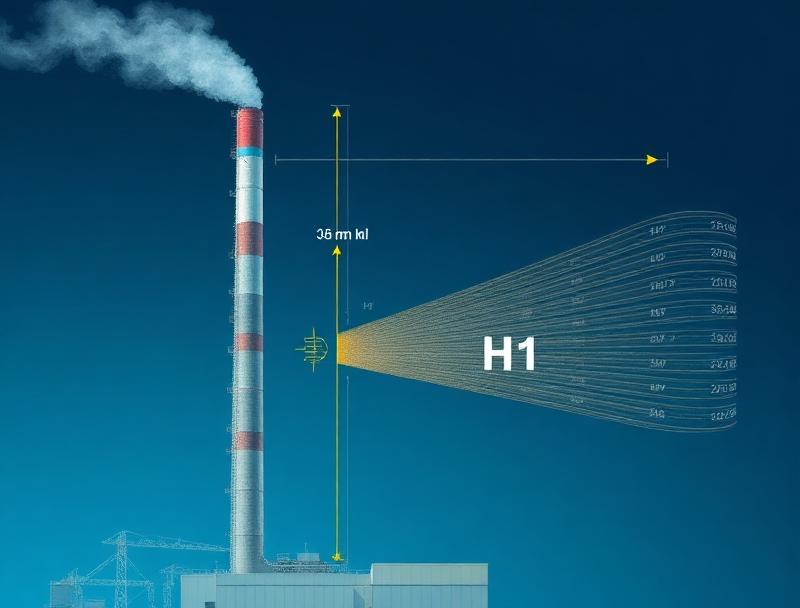
Every stack emissions test we deliver is structured for Environment Agency permit compliance. Reports are formatted to match permit ELVs, include all supporting parameters (flow, O₂, moisture, temperature) for normalisation, and reference the relevant MCERTS performance standards. Where compliance risk is identified, we flag it pre-submission so operators can act before the EA does. We also support permit variations, H1 stack height determination, and Operator Monitoring Assessment (OMA) improvement.
When MCERTS Stack Emissions Testing Is Required
MCERTS stack testing is typically required or expected where:
Your Environmental Permit includes periodic monitoring conditions for emissions to air
You are due routine compliance testing (quarterly, 6-monthly or annual monitoring depending on permit)
A new plant, process or abatement system has been installed and baseline evidence is required
You are submitting evidence for monthly or annual EA reporting and need defensible results
You are preparing for, or responding to, an Operator Monitoring Assessment (OMA)
A permit variation, throughput increase, fuel change or operational change requires updated emissions evidence
There is enforcement scrutiny, complaints, or compliance risk and evidence quality must be beyond doubt
What MCERTS Stack Emissions Testing Measures
MCERTS stack emissions testing measures determinands specified by your permit and monitoring schedule. Typical permit-driven measurements can include (site and permit dependent):
Particulates / dust (e.g., total particulate matter via isokinetic sampling)
NOx (NO and NO2, often reported as NOx)
SO2 (sulphur dioxide)
CO (carbon monoxide)
HCl / HF (acid gases where relevant)
VOCs (volatile organic compounds), speciated by FTIR emissions monitoring where applicable
Heavy metals, mercury, dioxins/furans (isokinetic sampling with laboratory analysis)
Flow, temperature, moisture and oxygen (supporting parameters required for normalisation and compliance reporting)
Why MCERTS Matters for Compliance and OMA
For regulators, MCERTS is not 'nice to have' data, it is quality-assured evidence for regulatory decision-making. Using MCERTS-aligned stack emissions monitoring helps demonstrate that your results are reliable, repeatable, and obtained using appropriate methods and competence controls. This directly supports:
Environmental Permit compliance (clear evidence against ELVs and monitoring conditions)
OMA performance by strengthening evidence quality, traceability and monitoring governance
Faster regulator engagement because reports are structured in an expected format
Reduced enforcement risk through robust, defensible monitoring and record keeping
Standards, Guidance and Regulatory Context
Stack emissions testing is delivered in line with current UK regulatory expectations for monitoring of emissions to air. This includes alignment to Environment Agency MCERTS requirements, ISO/IEC 17025 competence principles, EN 14181 for CEMS quality assurance, BS EN 13284-1 for particulates, BS EN 14385 for metals, BS EN 1948 for dioxins, Environment Agency M-series technical guidance, and OMA scheme expectations for monitoring quality and reliability.
How MCERTS Stack Testing Works in Practice
A strong stack emissions monitoring programme is planned to match your permit requirements and representative operating conditions. Typical stages include:
Permit and method review to confirm determinands, frequency, reporting format and any special conditions
Pre-test planning to confirm access, safety, sampling locations, operating regime and site constraints
On-site sampling and measurement under representative operation (as required by permit and method)
QA/QC and traceability controls to protect evidence credibility
Clear reporting with results tables, supporting parameters, assumptions and compliance-ready presentation
Follow-up actions where exceedances, anomalies or improvement opportunities are identified
What You Receive
You receive practical outputs you can use for compliance, reporting and regulator engagement:
A monitoring scope aligned to your Environmental Permit requirements
Testing delivered under controlled, auditable quality processes
A clear stack emissions test report suitable for regulator submission and internal governance
Results presented in a compliance-friendly format (including supporting parameters required by permits)
Transparent notes on operating conditions, assumptions and any constraints affecting interpretation
Practical recommendations where improvements are needed (monitoring, maintenance, operational control or further assessment)
What We Need From You
To scope correctly and avoid delays, we typically request:
Your Environmental Permit monitoring conditions and the current monitoring schedule
Determinands required, reporting deadlines and any regulator-specific expectations
Stack and plant details (drawings, sampling ports, access arrangements, process conditions)
Operating regime required for representative monitoring (loads, fuels, operating hours)
Site safety requirements and access procedures (RAMS, induction, permits to work)
Any recent compliance history, exceedances, regulator queries or audit findings (if relevant)
Who This Service Is For
MCERTS stack emissions testing is commonly required by:
Waste and recycling operators
Energy from waste plants
Medium combustion plant operators
Food and drink manufacturers
Chemical and solvent users
Landfill and biogas sites
Local authority and planning compliance teams
Permitted industrial installations with emissions to air limits and periodic monitoring conditions
Operators preparing for regulator audits, OMA scoring or permit variations
How This Fits Into Your Wider Compliance Programme
Stack emissions testing should not sit in isolation. For best compliance outcomes, we recommend integrating periodic monitoring into a broader evidence and governance framework, including permitting strategy, monitoring governance and audit readiness, continuous emissions monitoring QA/QC where applicable, and reporting schedules and evidence structure.
Limitations and Scope
Stack emissions monitoring results represent the operating conditions during the monitoring period. If your process varies significantly, monitoring should be planned to capture representative conditions or multiple operating scenarios where required by permits or regulator expectations. Where access constraints or operating limits exist, these must be documented clearly so results can be interpreted correctly.
Frequently Asked Questions
What is MCERTS stack emissions testing?
MCERTS stack emissions testing is UKAS-accredited measurement of pollutants released from a chimney, stack, vent or duct, delivered under the Environment Agency's Monitoring Certification Scheme (MCERTS). It uses recognised manual reference methods — isokinetic sampling, FTIR and wet chemistry — to produce traceable, regulator-ready evidence that emissions to air meet your Environmental Permit emission limit values (ELVs).
When does my permit require MCERTS stack emissions testing?
Your Environmental Permit will set the trigger. MCERTS-aligned stack emissions testing is normally required where your permit's monitoring schedule references MCERTS, M-series guidance or specific BS EN methods, where periodic monitoring frequencies are specified (quarterly, 6-monthly or annual), after new plant or abatement is installed, before permit variations, or following an OMA action. If you're unsure, send us your permit and we'll confirm what's required.
How quickly can Alkali quote?
We quote online. Most operators receive a fixed-fee MCERTS stack testing proposal within one working day of submitting permit or process details through our online quote request. Standard quotes typically return within 1 working hour for straightforward scopes.
Can I discuss my permit with a consultant first?
Yes. Speak to a consultant and a senior consultant will talk through your Environmental Permit conditions, likely monitoring and testing obligations, and the most efficient way to scope the work — no obligation to book testing afterwards.
Do you offer UKAS-accredited testing?
Yes. Alkali operates under UKAS Laboratory No. 24303 and our stack emissions testing scope is delivered to ISO/IEC 17025 within the MCERTS framework. Accredited scope details are published on the UKAS schedule and we'll confirm in writing that every determinand in your permit is covered by our accreditation before mobilisation.
Can I get a discount for booking early?
Early-booking discounts may be available on selected stack testing services when bookings are confirmed at least two months ahead of the required test window. Early booking also helps lock in preferred dates and reduces the risk of clashing with permit deadlines.
What is stack emissions monitoring?
Stack emissions monitoring is the measurement of pollutants released from a chimney, stack, vent or duct to demonstrate Environmental Permit compliance. It covers both periodic MCERTS stack emissions testing (manual reference methods) and continuous emissions monitoring (CEMS/AMS). Monitoring typically measures particulates, NOx, SO₂, CO, HCl, HF, VOCs, metals and supporting parameters such as flow, O₂ and moisture.
What is the difference between stack testing and stack emissions monitoring?
Stack testing usually refers to periodic manual measurements (a one-off campaign using isokinetic sampling, FTIR or wet chemistry). Stack emissions monitoring is the broader programme — including periodic stack testing plus continuous emissions monitoring (CEMS) where the permit requires it. In practice the terms are used interchangeably, but MCERTS stack emissions testing produces the regulator-recognised evidence for periodic compliance, while CEMS provides real-time data for daily reporting.
Do I need MCERTS stack testing for my environmental permit?
If your Environmental Permit includes periodic emissions monitoring conditions, MCERTS-aligned stack testing is almost always required. Using non-MCERTS testing risks data rejection by the Environment Agency and permit non-compliance. Check your permit's monitoring schedule — if it references MCERTS, M-series guidance or specific BS EN methods, you need a UKAS-accredited MCERTS stack testing company.
How do I choose a stack emissions testing company?
Choose a stack emissions monitoring company with current UKAS ISO/IEC 17025 accreditation, MCERTS scope covering every parameter in your permit, experienced field technicians (ideally including former Environment Agency staff), strong reporting, fast UK mobilisation and pre-submission QA review. See our full 10-point guide on choosing a stack testing company for the questions to ask before appointment.
Can Alkali provide FTIR emissions monitoring?
Yes. We provide FTIR emissions monitoring using portable Fourier Transform Infrared analysers for multi-component stack gas measurement — including NOx, SO₂, CO, HCl, HF, NH₃, N₂O, CH₄, formaldehyde and a wide range of VOCs. FTIR stack testing is delivered under our UKAS-accredited stack emissions monitoring scope and is particularly suited to incineration, chemical manufacturing and multi-pollutant permits.
Can Alkali support CEMS, QAL2 and EN 14181 requirements?
Yes. We support the full EN 14181 quality assurance cycle for continuous emissions monitoring — including QAL2 calibration (parallel measurements and calibration function derivation), QAL3 drift control, AST annual surveillance tests, and CEMS hire for temporary monitoring during outages or abatement upgrades. Our QAL2 calibration programmes use UKAS-accredited reference methods so your CEMS data is defensible under your Environmental Permit.
What is MCERTS testing?
MCERTS is the Environment Agency's Monitoring Certification Scheme. For stack emissions, MCERTS testing is the recognised approach for producing quality-assured, regulator-ready evidence for emissions to air compliance.
How often do we need stack emissions testing?
Frequency is set by your permit (often quarterly, 6-monthly or annually). Where operations or risks are higher, monitoring may be required more frequently or under specific operating conditions.
What is the difference between MCERTS and UKAS?
MCERTS is the Environment Agency scheme for monitoring quality requirements. UKAS is the UK national accreditation body that accredits competence (including ISO/IEC 17025) which supports the credibility of testing and laboratory processes within the MCERTS framework.
How should we prepare for MCERTS stack emissions testing?
Preparation usually includes confirming representative operating conditions, ensuring safe access to sampling ports, providing permit conditions and monitoring schedules, and confirming site safety requirements and work permits.
Will MCERTS testing help our OMA score?
It can support stronger monitoring credibility when evidence quality, traceability and reporting are well controlled. If you need a structured OMA improvement plan, see OMA Support.
What is stack emissions testing?
Stack emissions testing is the measurement of pollutants released from an industrial chimney, flue or emission point. It is used to demonstrate compliance with environmental permit limits and may cover pollutants such as NOx, CO, SO2, particulates, VOCs, metals, acid gases or other permit-specific parameters.
When is periodic stack testing required?
Periodic stack testing is usually required when an environmental permit sets emission limit values or monitoring conditions for a regulated process. The required frequency depends on the permit, process type, pollutant risk and regulator expectations. Operators commonly need testing annually, biannually or at another permit-defined interval.
What does Environment Agency stack testing involve?
Environment Agency stack testing involves planning the monitoring scope from the permit, using appropriate methods, sampling emissions from the required release points, quality-checking the results and issuing a report suitable for compliance evidence. Where MCERTS applies, testing should be carried out under the relevant accredited scope.
What affects stack testing cost?
Stack testing cost depends on the number of emission points, pollutants, methods, access arrangements, site location, process availability, reporting requirements and whether MCERTS-accredited testing is required. Alkali provides fixed-fee scopes so operators understand what is included before the work starts.
What information is needed for a stack testing quote?
To scope a stack testing quote, Alkali usually needs the environmental permit, process description, emission point details, monitoring schedule, pollutants or emission limits, site access details, previous reports if available and any Environment Agency deadlines or correspondence.
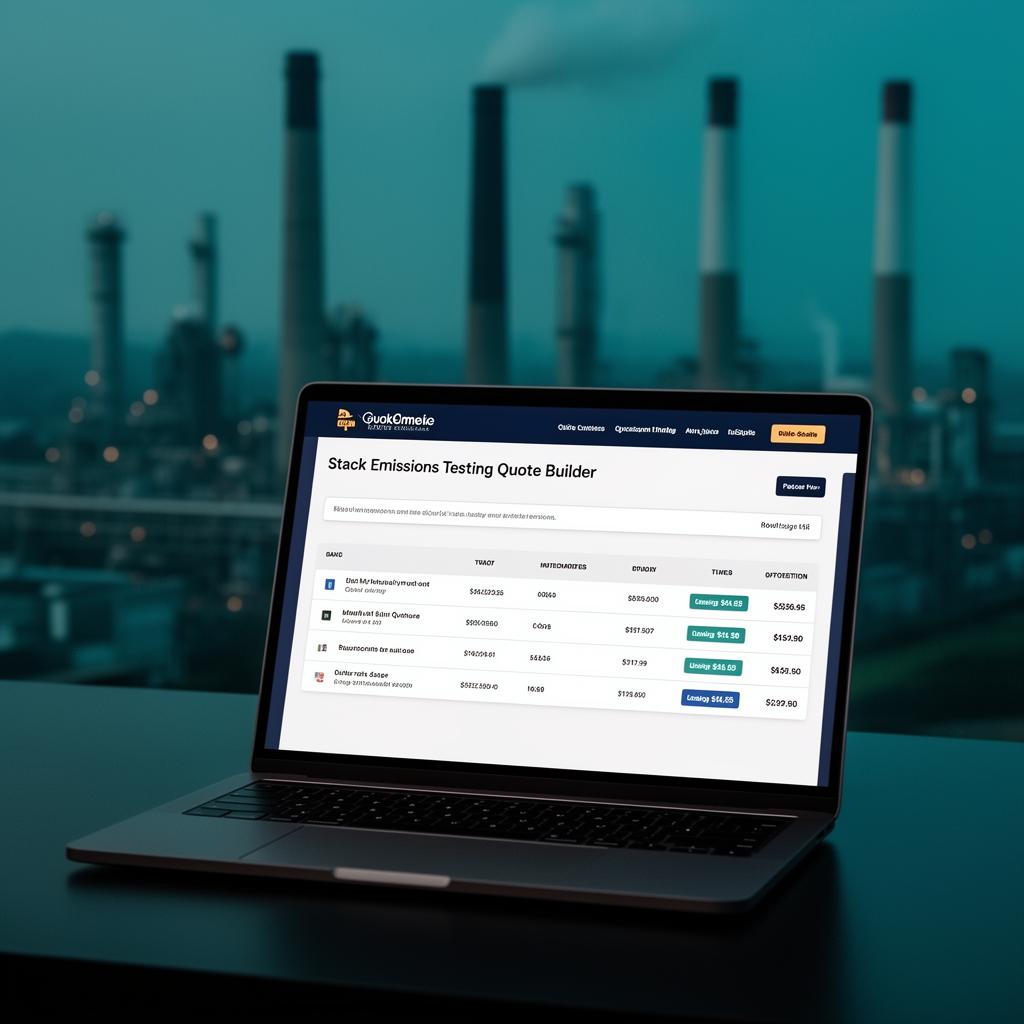
Get a fixed-fee MCERTS stack testing quote online
Add the services you need, upload your permit conditions, and Alkali will review the scope and respond with a clear proposal — no phone tag, no email chains. A former Environment Agency officer reviews every brief for accuracy before pricing.
MCERTS Stack Emissions Testing UK | UKAS Lab 24303 in action
See how UK clients have used our mcerts stack emissions testing uk | ukas lab 24303 expertise to satisfy regulators, planning authorities, and operational deadlines.
Facilities using solvents on a daily basis are often required to submit a Solvent Management Plan (SMP) to the Environment Agency (EA) or Local Authority. An SMP details how a site controls the use and emissions of organic solvents, particularly Volatile Organic Compounds (VOCs). It verifies compliance with emission limits, identifies opportunities for reduction, and frequently involves mass balancing to track all solvent inputs and outputs. Alkali Consultants have prepared SMPs across a wide range of industries — from shoe manufacturing to automotive and metal coating — covering solvent usage from as little as 5 tonnes to over 9,000 tonnes per year.
Approach
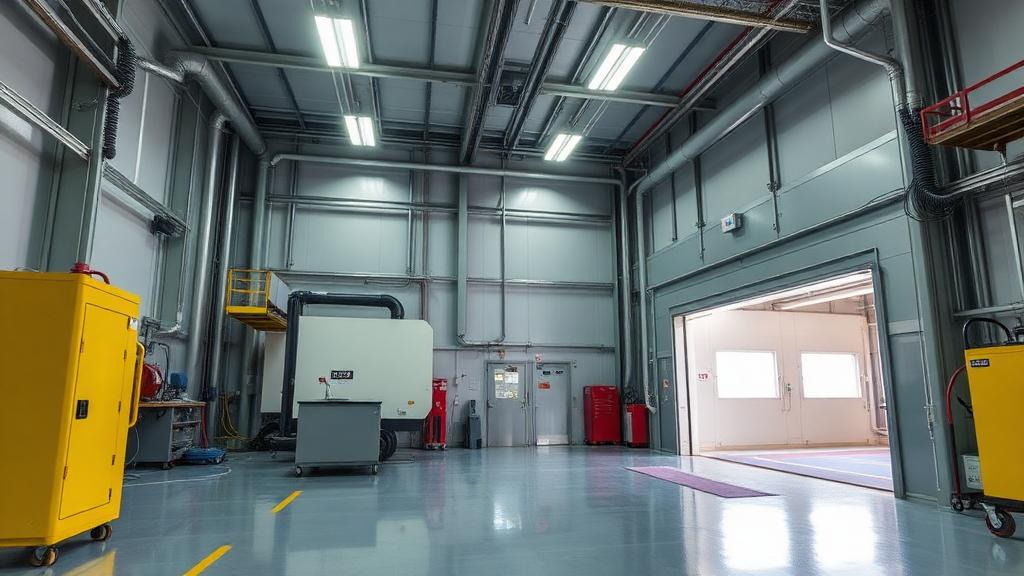
Alkali Consultants' stack testing team carried out on-site measurements at the "rogue" booth to validate emissions data. By working closely with the client, detailed operating schedules for each booth were compiled. This allowed the Alkali team to recalculate solvent use and emissions with far greater accuracy, producing a revised SMP that reflected the site's true operating conditions.
Outcome
The recalculated SMP reduced the reported exceedance from 25% to below 15%, well within a more realistic range.
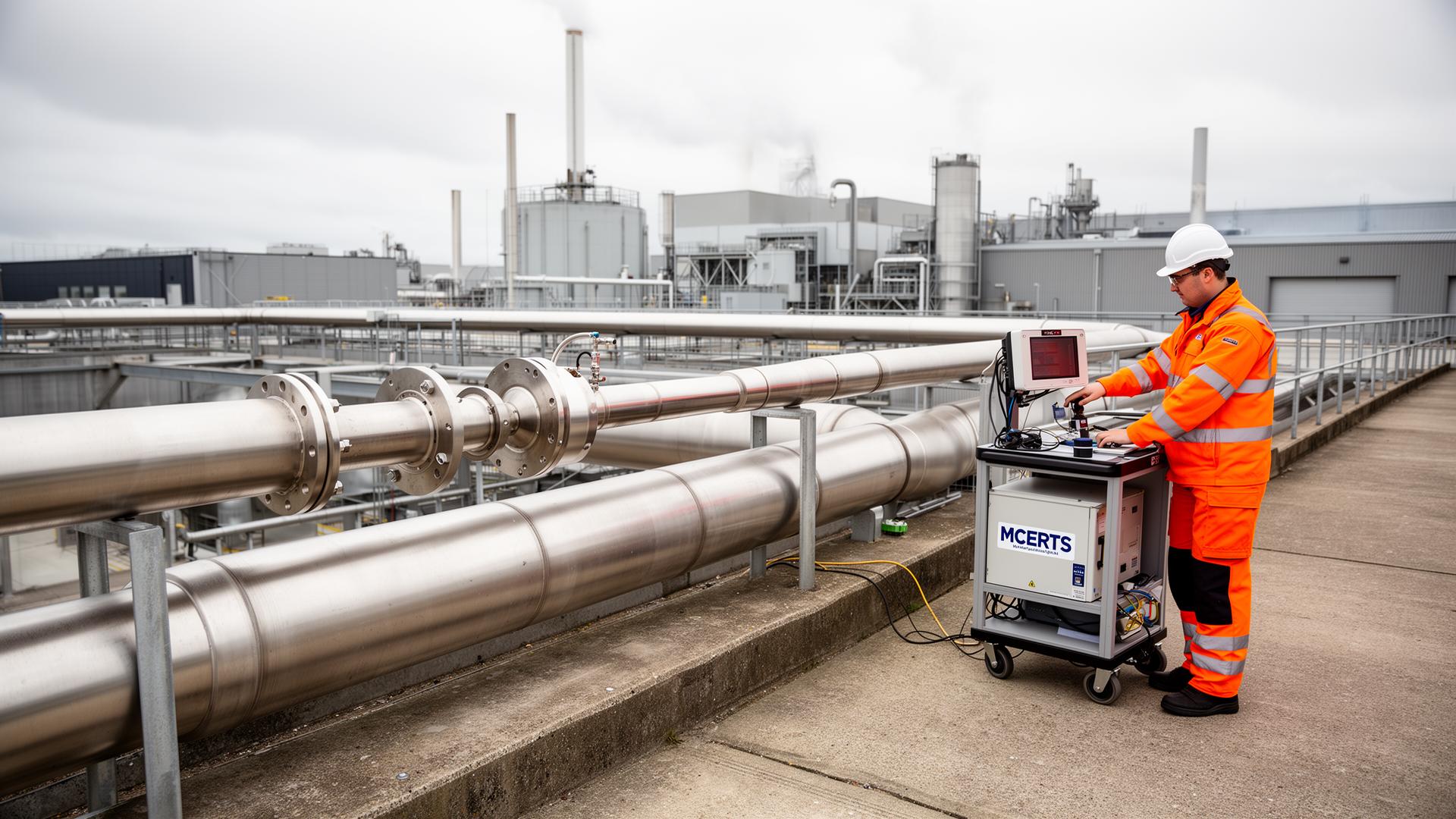
Alkali Environmental took over a biannual MCERTS stack emissions monitoring contract from a previous test house. The site operates under an Environment Agency environmental permit that requires periodic isokinetic stack emissions testing at multiple sample locations across the process. On reviewing the existing monitoring arrangements, our UKAS-accredited stack testing team flagged two problems with one of the inherited sample points that were quietly costing the operator money and increasing health-and-safety risk every visit.
Approach
Our stack testing team carried out a sample point design review on the wider process duct system to identify an equivalent monitoring location that would give the same regulatory evidence without the work-at-height burden. We then recommended a relocated sample point in writing for the operator's engineering team.