



Construction Environmental Management Plans (CEMP) — Site Assessments & Consultancy by Alkali Environmental Consultants (UKAS Lab No. 24303, UK-wide)
    Construction Environmental Management Plans (CEMP) — Site Assessments & Consultancy by Alkali Environmental Consultants (UKAS Lab No. 24303, UK-wide)

    Construction Environmental Management Plans (CEMP)

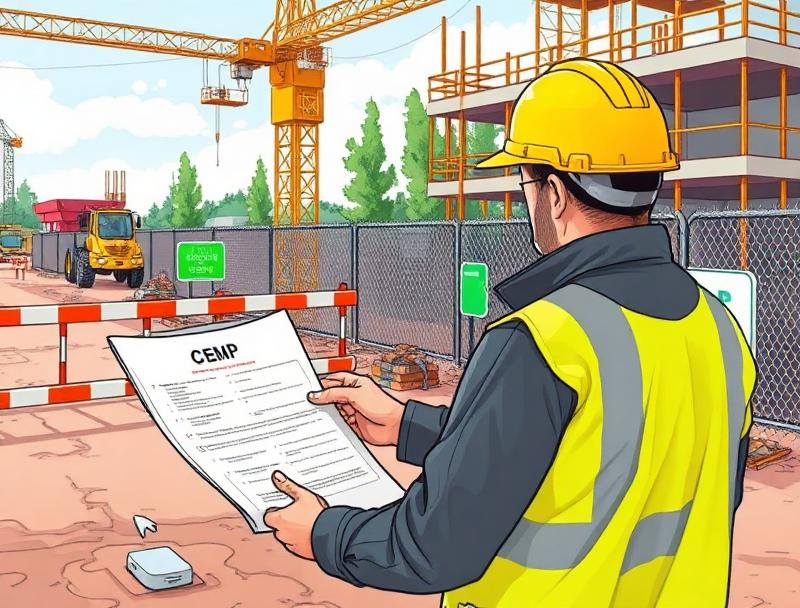
    Construction Environmental Management Plans (CEMP) outlines how construction sites will control environmental risks to meet planning and regulatory requirements.

    Call 0800 098 2610

    Build your quote in seconds — our team responds within 1 working hour.

    UKAS Accredited Stack Testing (Lab 24303)
    Regulator-Ready Reports
    14-Day Query Support
    Pre-Submission Review

    Compliance Confidence Included

    Pre-submission review, regulator-ready documentation, and 14 days of post-submission query support are included as standard — to reduce refusal risk and enforcement delays.

    CEMP Preparation for Planning Conditions, Contractor Control and Construction Compliance

    A Construction Environmental Management Plan (CEMP) sets out how environmental risks will be controlled during construction. It is commonly required by planning conditions and is used by clients, principal contractors and regulators to demonstrate that nuisance and pollution risks are identified, mitigated and managed. A strong CEMP is practical, site-specific and auditable, with clear responsibilities, monitoring triggers and evidence requirements.

    When a CEMP Is Required

    A CEMP is typically required where:

    • Planning conditions require a CEMP (often pre-commencement or prior to specific phases)
    • Construction involves demolition, earthworks or high-risk activities near sensitive receptors
    • There is risk to surface water, groundwater or drainage systems from runoff, silt or spills
    • Noise, vibration and dust risk must be controlled and evidenced
    • Stakeholder sensitivity and complaints risk requires a clear mitigation and response process
    • Contractor governance needs a controlled environmental framework and audit trail

    Purpose of a CEMP

    The purpose is to convert environmental obligations into site controls: clear methods, responsibilities, checks, and evidence. This supports planning compliance, reduces risk of complaints and enforcement, and helps prevent costly programme disruption caused by uncontrolled environmental impacts.

    What a Construction Environmental Management Plan Typically Includes

    • Project overview, programme and site constraints (receptors, access, sensitive areas)
    • Roles and responsibilities (client, principal contractor, site manager, environmental lead)
    • Dust and air quality controls (including risk assessment outputs and mitigation)
    • Noise and vibration controls (working hours, plant controls, monitoring triggers)
    • Water protection (runoff control, silt management, spill prevention and response)
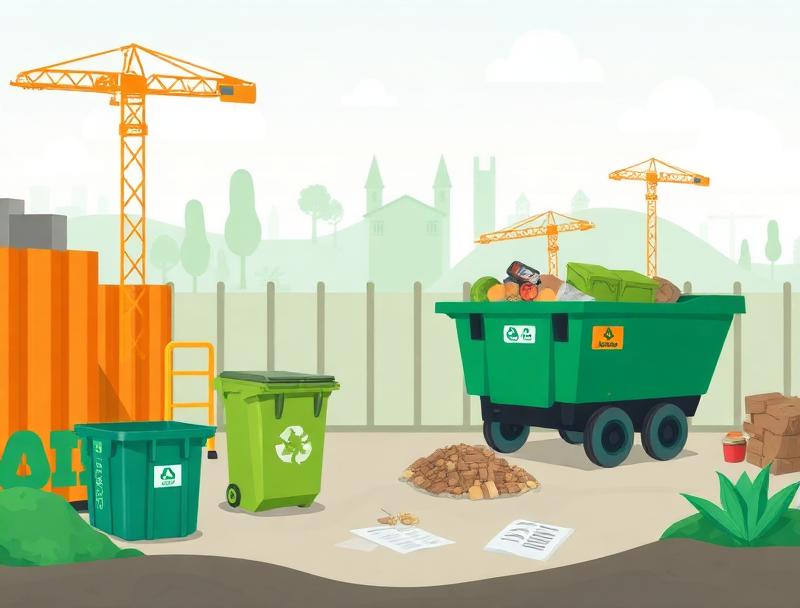
    • Waste and materials management (storage, segregation, duty of care, tracking)
    • Pollution prevention (fuels, chemicals, refuelling, storage, emergency response)
    • Monitoring and inspections (site checks, trigger levels, reporting, corrective actions)
    • Complaints and communication process (stakeholder contacts, response timelines, escalation)
    • Training and toolbox talks expectations with record keeping

    How a CEMP Works in Practice

    The strongest CEMPs are built around how the site will actually run. We develop a CEMP that can be implemented: clear checklists, simple inspection logs, realistic mitigation, and defined triggers for monitoring and corrective actions. Where dust risk is material, the CEMP should align to current IAQM dust guidance and link to the dust risk assessment and monitoring plan where required.

    What the Service Delivers

    • A site-specific CEMP suitable for planning condition discharge
    • Mitigation and control measures aligned to site constraints and risk
    • Practical inspection and evidence templates for contractor implementation
    • Clear monitoring triggers and escalation actions where required
    • A controlled, auditable structure that supports compliance and stakeholder confidence

    Limitations and Scope

    A CEMP provides the framework, but compliance depends on implementation and record keeping. If the programme, sequencing or methods change, the CEMP should be reviewed and updated so controls remain suitable and defensible.

    Frequently Asked Questions

    Is a CEMP the same as a method statement?

    No. A CEMP is broader: it sets the environmental control framework (risk, mitigation, monitoring, evidence and responsibilities) across the construction programme.

    Can a CEMP help discharge planning conditions?

    Yes. It is commonly used as the primary document for pre-commencement or pre-phase condition discharge where environmental controls must be evidenced.

    Should a CEMP include dust and noise controls?

    Yes. Most CEMPs include dust/air, noise/vibration, water protection, waste and pollution prevention controls.

    Can you provide templates for inspections and reporting?

    Yes. Practical checklists and logs improve implementation and create an audit trail.

    Case Studies

    Construction Environmental Management Plans (CEMP) in action

    See how UK clients have used our construction environmental management plans (cemp) expertise to satisfy regulators, planning authorities, and operational deadlines.

    Real-Time Dust and Noise Monitoring at Lynemouth Beach
    Landfill / ConstructionLynemouth Beach, Northumberland

    Real-Time Dust and Noise Monitoring at Lynemouth Beach

    Problem
    During construction activity at a landfill site near Lynemouth Beach, air quality and noise impacts were a key concern. Planning conditions required real-time monitoring to protect nearby sensitive receptors, including residents and site operatives, from the effects of dust and noise exposure.
    Approach
    Air quality monitoring was undertaken at three locations using MCERTS Indicative certified monitors, positioned both upwind and downwind of construction activities.
    Outcome
    Continuous monitoring met all planning condition requirements.

    Read case study
    Turning a Tight Deadline into Long-Term Success: Air Quality Support in the London Borough of Sutton
    Construction / DevelopmentLondon Borough of Sutton

    Turning a Tight Deadline into Long-Term Success: Air Quality Support in the London Borough of Sutton

    Problem
    Construction projects move at pace, and environmental requirements don't always come into focus at the start. A development team in the London Borough of Sutton approached Alkali Consultants with an urgent request: a Dust Management Plan (DMP) and automatic air quality monitoring needed to be installed within one week to satisfy planning conditions and allow construction to begin.
    Approach
    Mobilised within hours — secured monitoring equipment, identified suitable monitoring locations and scheduled a priority site visit.
    Outcome
    Full compliance with planning conditions from day one, with zero delay to the construction programme.
    Read case study

    Need a Quote for Construction Environmental Management Plans (CEMP)?

    Add this service to your quote and submit a request. We'll review your scope and get back to you within 24 hours.